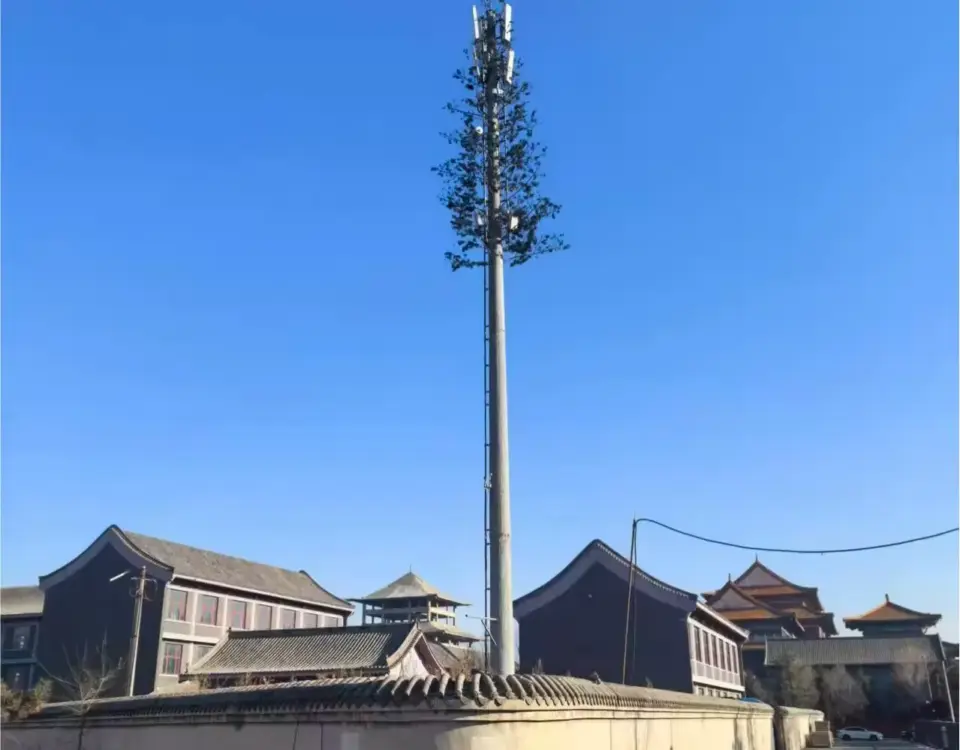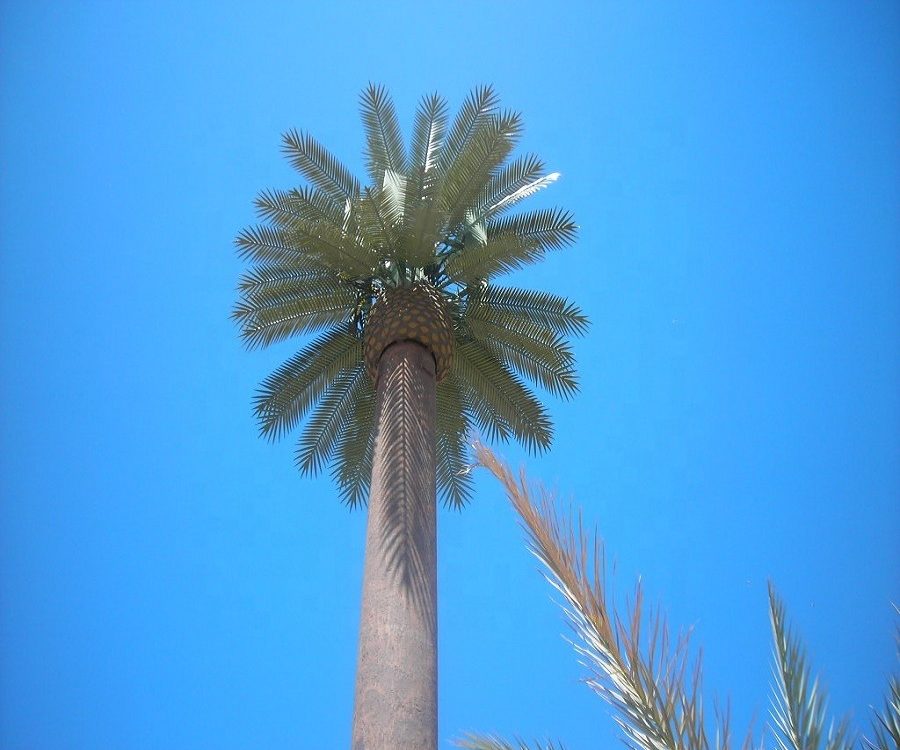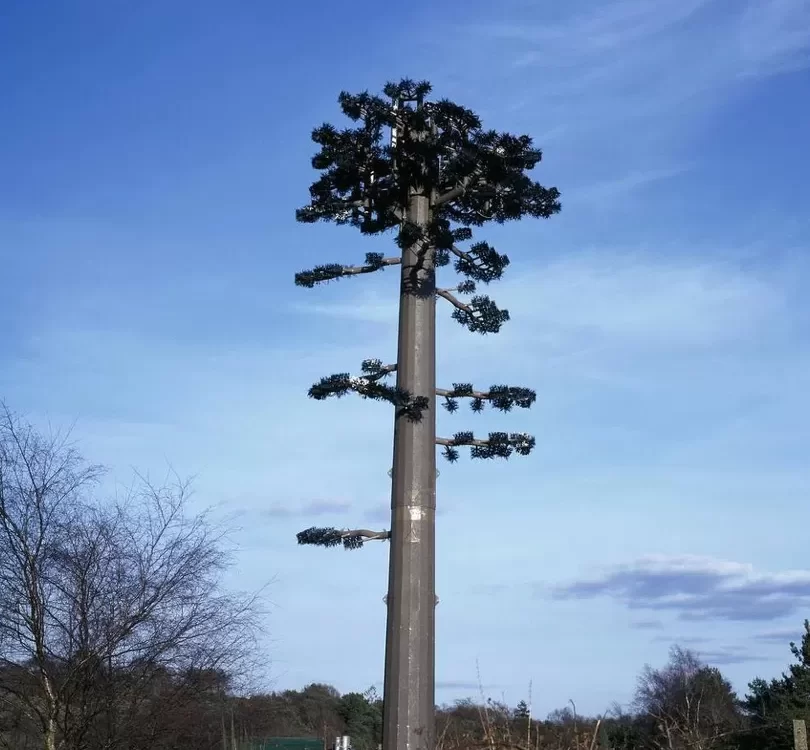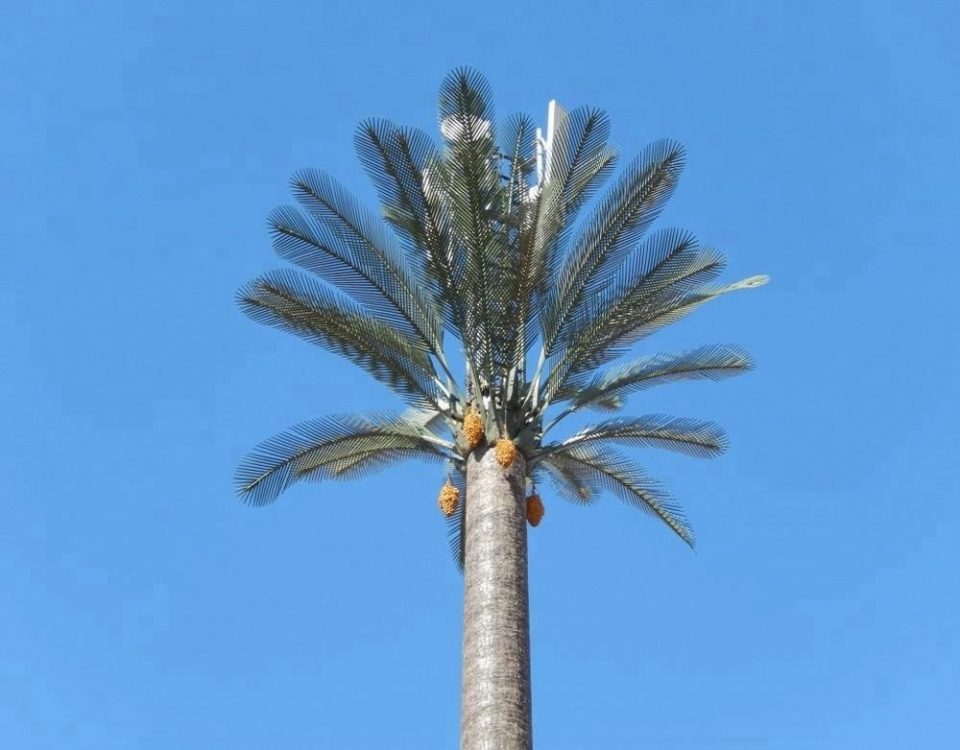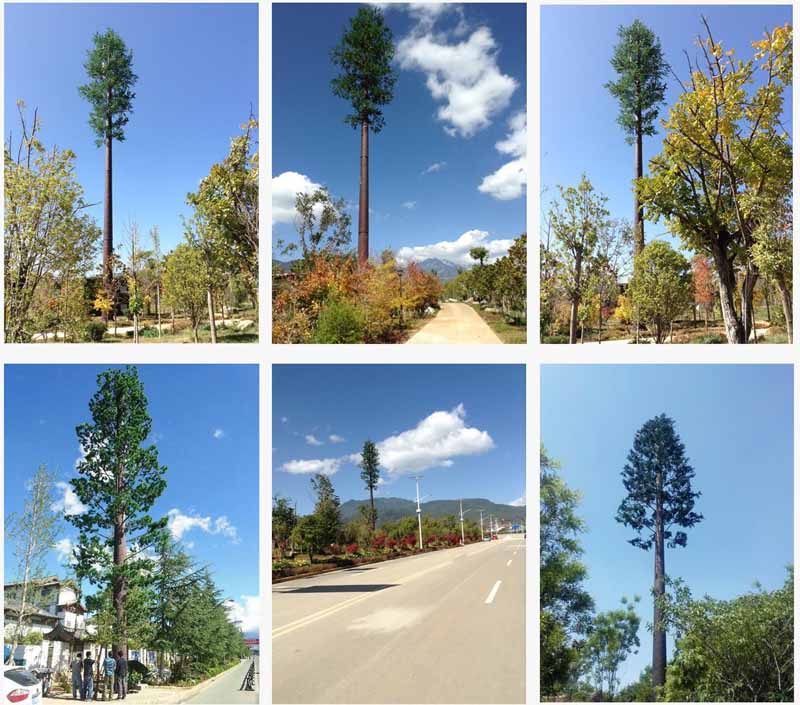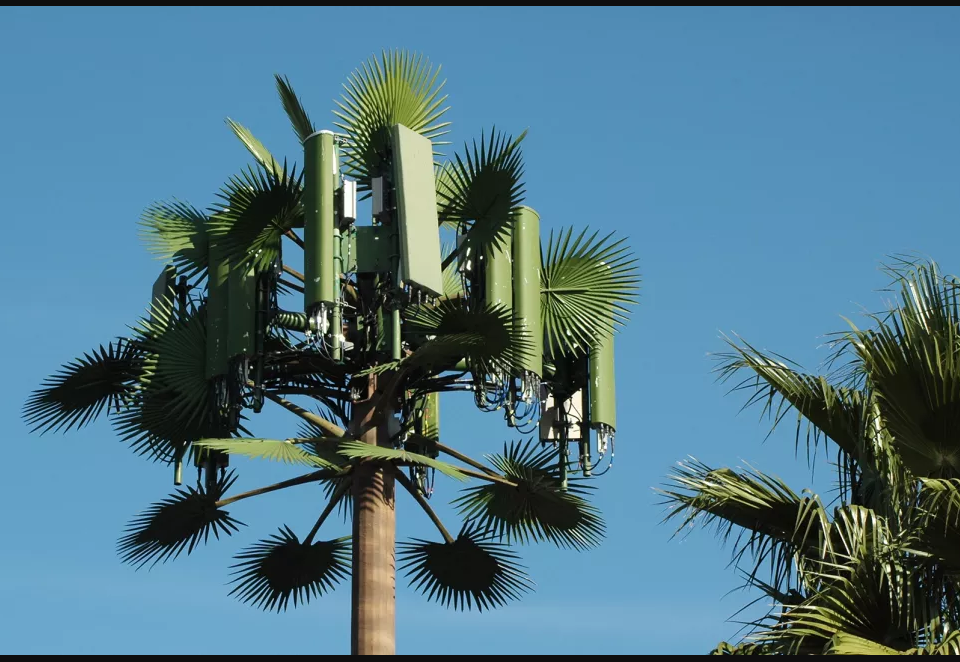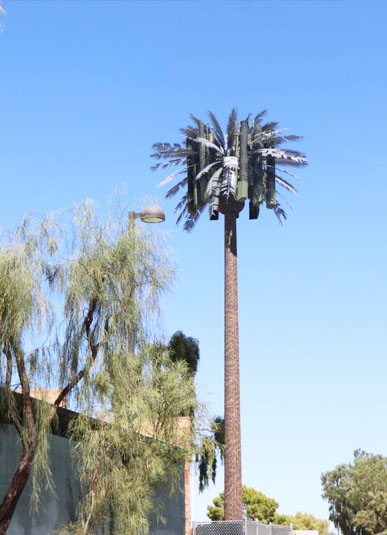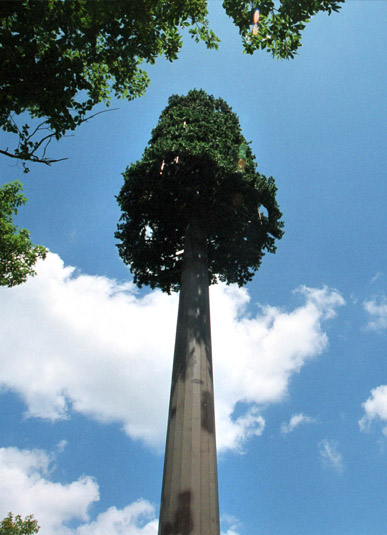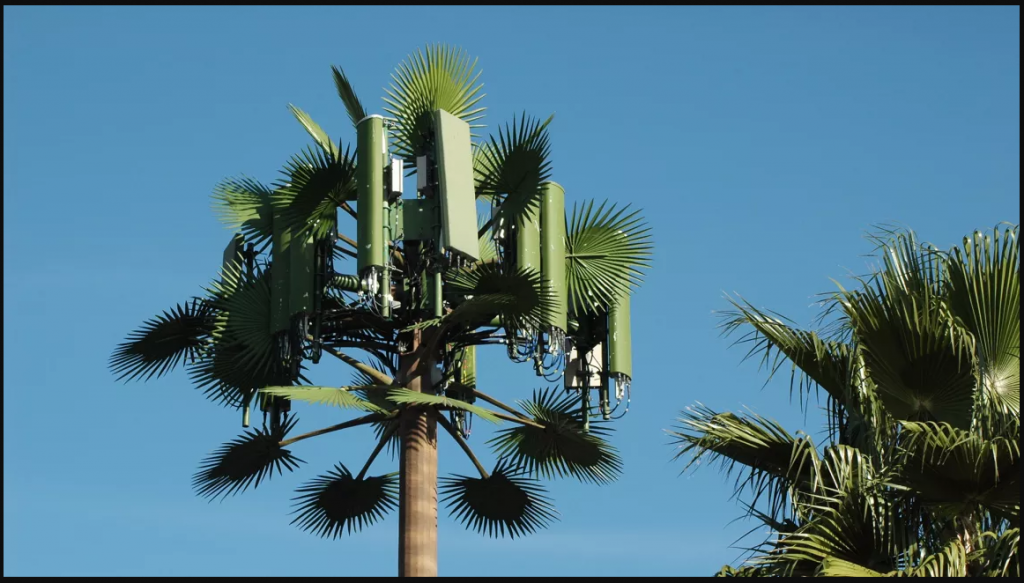
Bionic Camouflaged Tree Tower Independent Test Report
Transmission Tower Inclination Rectification: In-situ Reinforcement and Jacking Technologies
March 22, 2026
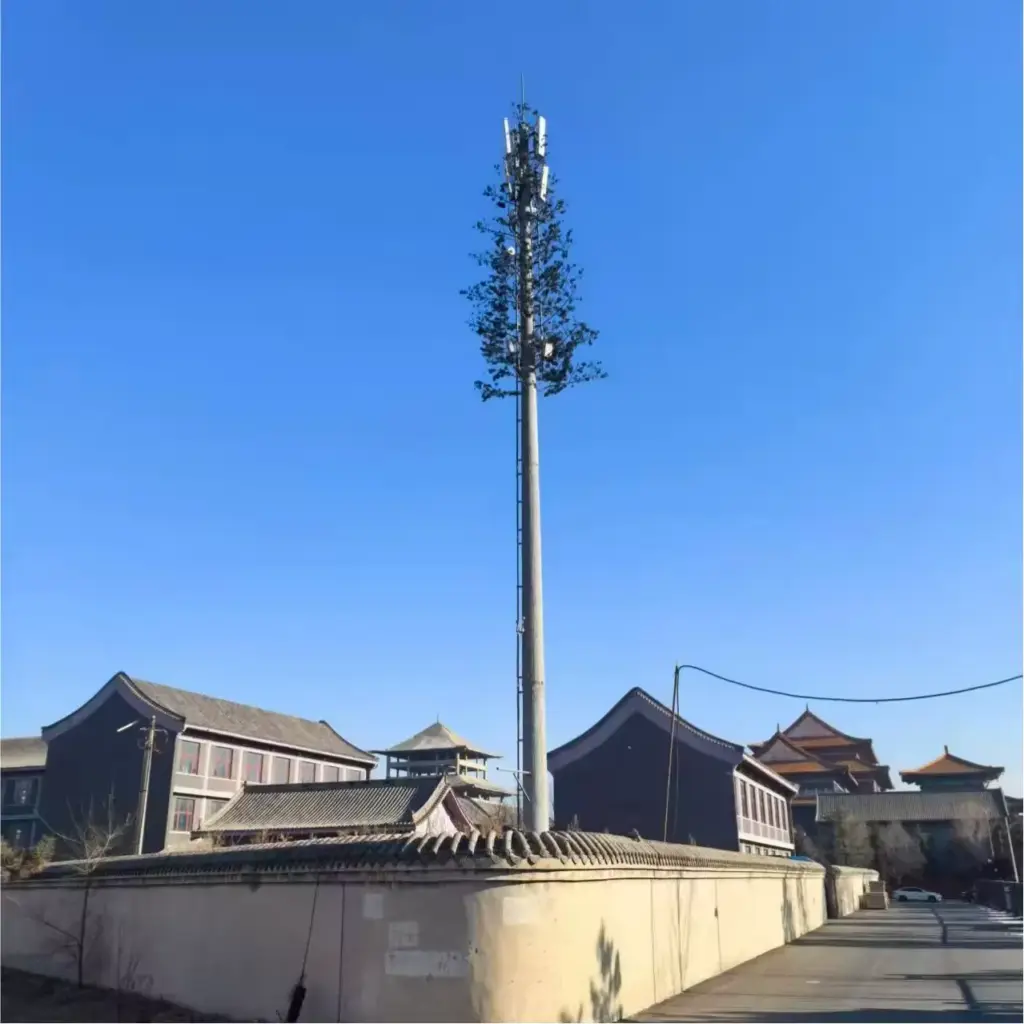
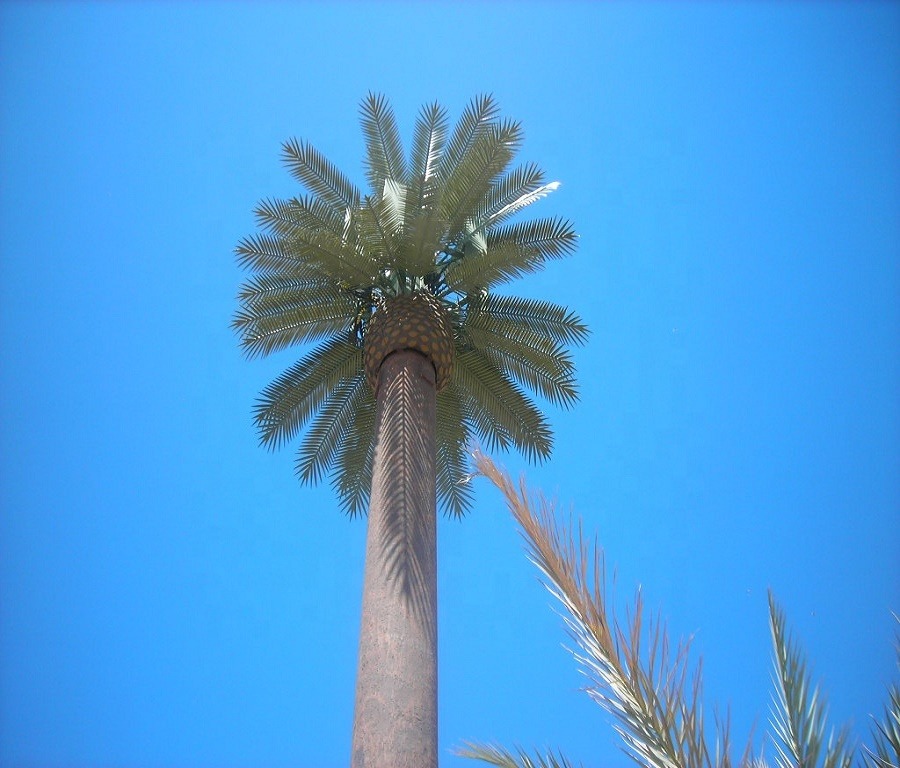
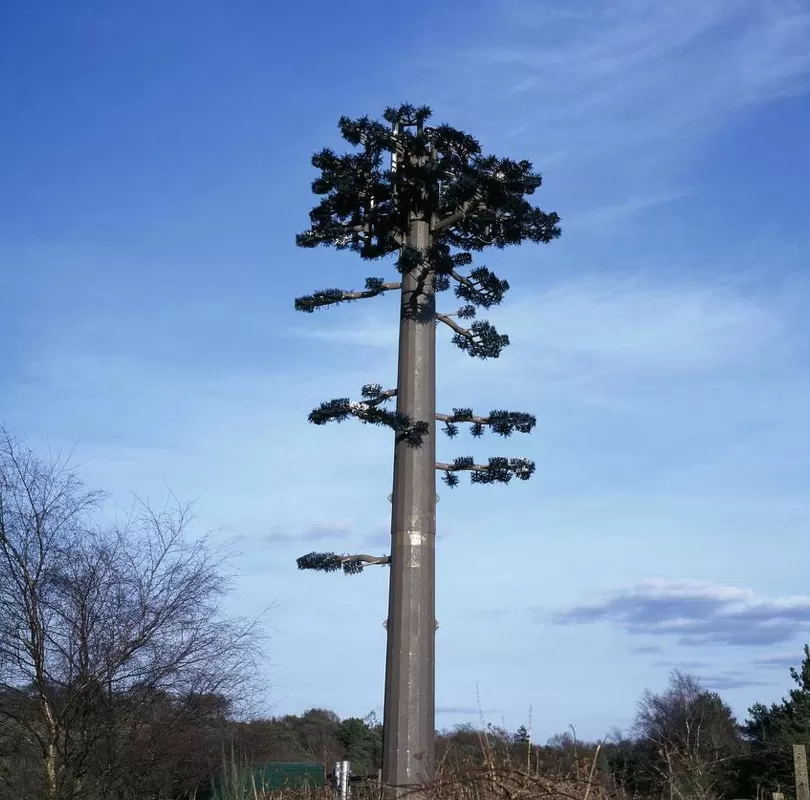
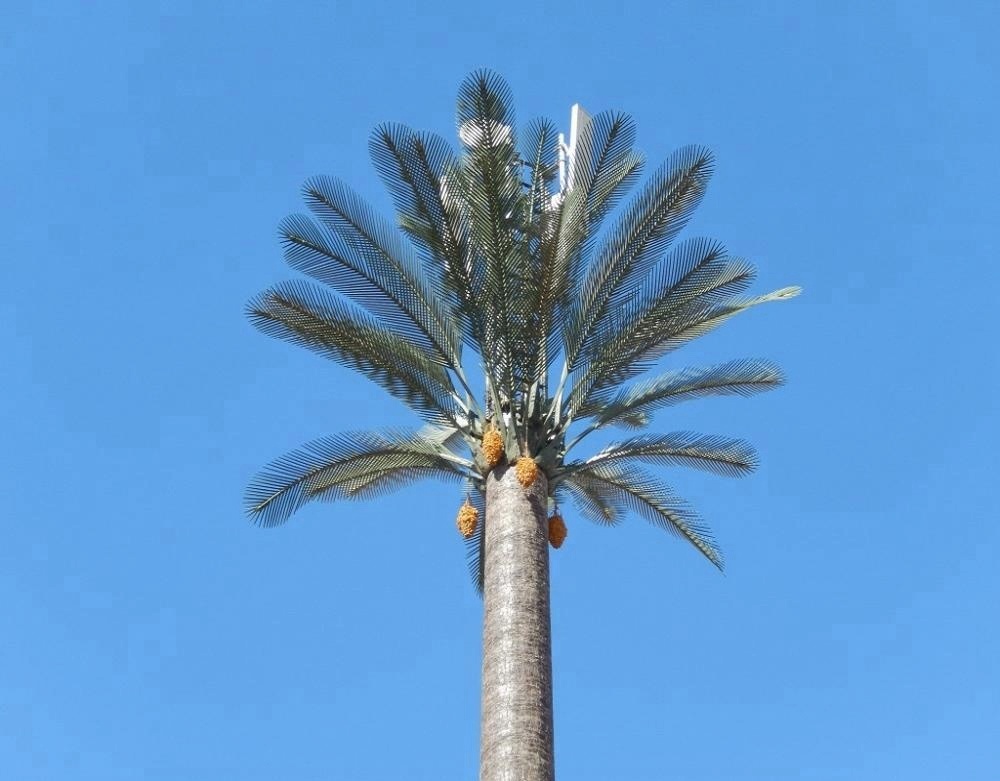
Bionic Camouflaged Tree Communication Tower
March 29, 2026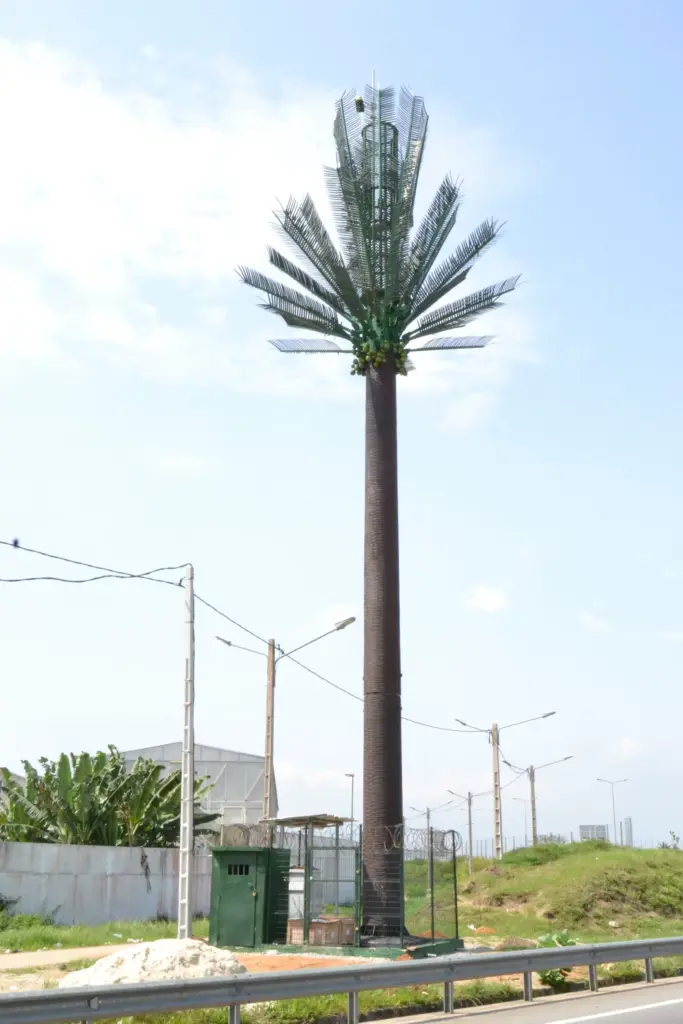
Independent Test Report
Report No.: BCTT-2026-TR-0429
Date of Issue: March 29, 2026
Product Series: Bionic & Camouflaged Tree Communication Towers
Client: [jielian steel tower co.,ltd ]
Testing Body: International Laboratory for Infrastructure & Communication Structures (ICSL)
Type of Test: Type Examination + Special Performance Evaluation
I. Test Overview and Scope
Systematic testing was conducted in accordance with the following standards: TIA-222-H (Structural Standards for Telecommunication Industry), IEC 61400-6 (Wind Resistance and Fatigue), ASTM B117 (Salt Spray Corrosion), ISO 4892-2 (UV Aging), and EN 300 019 (RF Transparency). The test program spanned 14 weeks, covering factory pre-assembled samples (heights from 12m to 40m) and in-service towers located in three different climate zones.
II. Structural Mechanics and Load-Bearing Performance Tests
2.1 Static Load Test
A 30m high Bionic Tree Communication Tower (oak-mimicking configuration) was subjected to a combination of vertical and horizontal loads according to the most severe ultimate limit state (1.2 × working load + 1.6 × wind load). The main column material was S460ML steel (measured yield strength 483 MPa). While a top antenna payload of 1850 kg (6 sector antennas + 3 RRUs) was applied, a lateral force equivalent to a 55 m/s wind speed was simultaneously applied at two-thirds of the tower height. The measured horizontal displacement at the tower top was 287 mm, i.e., H/104, which is less than the H/70 specified in TIA-222-H. The residual deformation after unloading was 0.8 mm, indicating fully elastic behavior. The preload loss rate of the base flange bolts was only 1.2%, meeting requirements.
2.2 Fatigue Life Analysis
Sinusoidal frequency sweep excitation (0.5 Hz – 5 Hz) was applied to simulate wind-induced vibrations over a 30-year equivalent period. The rainflow counting method combined with Miner’s linear cumulative damage rule was used. The calculated cumulative damage factor D was 0.28, far below 1.0, which implies an actual fatigue life exceeding 100 years. Hot spot stresses at critical welds were analyzed using a finite element submodel; the maximum hot spot stress range was 78 MPa, well below the fatigue limit of S460ML (210 MPa).
2.3 Load Redundancy of Bionic Branch Structures
Pull-out tests were performed on the CFRP frond branches of the palm tower: a single branch withstood 1.2 kN tensile force before failure, while the actual working load (including antenna self-weight, ice accretion, and wind suction) is only 0.3 kN, giving a safety factor of 4.0. The ball-joint connections between fronds and the trunk were subjected to 500,000 cyclic movements; after testing, the wear depth was below 0.05 mm with no functional degradation.
III. Wind Tunnel and Aeroelastic Testing
3.1 Comparative Drag Coefficient Test
Four configurations were tested in a boundary layer wind tunnel at 1:10 scale: conventional cylindrical monopole, angle-steel lattice tower, Bionic Tree Tower (broadleaf type), and Bionic Palm Tower. The tests were conducted at Reynolds number Re = 2.5×10⁵ (corresponding to a 40m tall tower in a 15 m/s wind speed). Results are summarized in the table below:
| Tower Type | Average Drag Coefficient Cd | Strouhal Number St | Vortex-Induced Resonance Onset Wind Speed (m/s) |
|---|---|---|---|
| Cylindrical Monopole | 0.93 | 0.21 | 8.2 |
| Angle-Steel Lattice | 1.48 | 0.14 | None (broadband turbulence) |
| Bionic Broadleaf Tree | 0.59 | 0.29 | >32 (not triggered) |
| Bionic Palm Tower | 0.48 | 0.31 | >38 |
The drag coefficient reduction for the bionic towers ranges from 37% to 48%, primarily attributed to vortex fragmentation by the branches. Time-domain analysis shows that the RMS lift fluctuation of the bionic towers is reduced by 65%, significantly decreasing the fatigue load on the structure.
3.2 Aeroelastic Stability Determination
According to the Den Hartog criterion, galloping stability was evaluated. The galloping coefficient
for the bionic tree tower was found to be negative only when the angle of attack α exceeded 18°, whereas actual wind attack angles do not exceed ±12°. Hence, there is no galloping risk. For the bionic palm tower, the adaptive twisting of the CFRP fronds raises the critical wind speed to 52 m/s.
IV. Quantitative Assessment of Camouflage and Simulation Effectiveness
4.1 Spectral Similarity Analysis
A multispectral imaging system (400–1000 nm) was used to compare the bionic towers with real tree species (oak, palm, pine) under sunny, overcast, and twilight conditions. The Structural Similarity Index (SSIM) and color difference ΔEab (CIE La*b* space) were calculated. The results are as follows:
-
Bionic Broadleaf Tree Tower: average SSIM = 0.937, ΔE*ab = 2.3 (indistinguishable to the naked eye)
-
Bionic Palm Tower: SSIM = 0.958, ΔE*ab = 1.8
-
Camouflage Tree Tower (non‑full bionic): SSIM = 0.842, ΔE*ab = 4.7 (acceptable at distances >20m)
In the near‑infrared band (700–900 nm), real leaves exhibit high reflectance due to chlorophyll. By adding chromium‑doped titanium dioxide pigments, the bionic materials achieved an NIR reflectance matching degree of 91%–94%, preventing the “black tree” anomaly under drone reconnaissance.
4.2 Texture Depth and Shadow Simulation
A laser profilometer measured bark texture: the average roughness Ra of real oak bark was 320 μm, while that of the bionic bark was 308 μm, with similar pit density (12–15 pits per cm²). Shadow projection tests (artificial solar light source) showed that the light break pattern on the trunk side was essentially consistent with that of real trees, with an edge gradient difference of less than 8%.
V. Material Durability and Environmental Adaptability
5.1 Accelerated Corrosion and Salt Spray Test
A 3000‑hour neutral salt spray test was conducted in accordance with ASTM B117 on the following samples: bare S460ML steel plate, galvanized + polyurethane coated panel, duplex stainless steel 2205 coupon, HDPE bark module, and CFRP frond. Results:
-
Bare steel: severe red rust (>20% of area)
-
Galvanized + polyurethane: no red rust, slight white rust (<1% of area), no loss of adhesion
-
Duplex stainless steel: completely free of corrosion
-
HDPE bark: no discoloration, no chalking, Shore D hardness decreased from 68 to 65
-
CFRP frond: no delamination, gloss retention 92%
The corresponding marine environment rating: the coating system achieves C5‑M (very high corrosivity for marine environments).
5.2 UV Aging and Color Fastness
According to ISO 4892-2 (xenon lamp, 340 nm, 0.55 W/m², 102 minutes light / 18 minutes water spray), 1000 cycles (equivalent to 5 outdoor years). The color difference ΔE*ab of the bionic bark was 1.2, and tensile strength retention was 96%. The flexural modulus retention of CFRP palm fronds was 94%. No chalking or cracking was observed.
5.3 Extreme Temperature and Thermal Cycling
One hundred cycles between -40°C and +60°C were performed (6 hours per cycle). The impact toughness (Charpy V-notch) of the structural steel decreased from 52 J to 48 J (still higher than the 40 J requirement). No debonding occurred at the bark‑steel interface. No embrittlement of the sealing gaskets was observed.
VI. RF Transparency and Electromagnetic Compatibility
6.1 Insertion Loss and Return Loss
In an anechoic chamber, bionic bark panels, CFRP fronds, and artificial leaves were placed in front of a standard gain horn antenna (frequency range 700 MHz – 3.8 GHz). Insertion loss (S21) and return loss (S11) were measured. The results are presented in the table below:
| Frequency (GHz) | Bark Panel Insertion Loss (dB) | CFRP Frond Insertion Loss (dB) | Combined (Bark + Frond) |
|---|---|---|---|
| 0.7 | 0.11 | 0.08 | 0.19 |
| 1.8 | 0.18 | 0.12 | 0.30 |
| 2.6 | 0.22 | 0.15 | 0.37 |
| 3.5 | 0.31 | 0.20 | 0.51 |
All insertion loss values are below 0.6 dB, satisfying 3GPP requirements for radomes. Return loss is better than 15 dB (VSWR < 1.43), indicating good impedance matching and no significant reflection.
6.2 Multipath Scattering Impact Assessment
The bionic tree tower was placed in a realistic urban microcell model. Ray‑tracing simulations showed that the additional multipath component delay spread caused by the branch structure was only 5–8 ns, which has no negative impact on 5G NR demodulation performance. Antenna pattern distortion was less than 1.2 dB.
VII. Installation, Maintenance, and Lifecycle Testing
7.1 On‑Site Installation Accuracy and Foundation Settlement
Foundation settlement monitoring (precision leveling) was performed on three bionic towers that had been in service for 24 months. The maximum differential settlement was 4.2 mm, well below the allowable limit of 15 mm. The tower verticality deviation was H/1500 (where H = tower height), better than the design limit. Re‑inspection of bolt preload showed a maximum decay of 6.2%, with no loosening.
7.2 Maintenance Inspection and Service Life of Wear Parts
The internal equipment compartment (IP65 rated) inside the trunk was opened; no condensation or dust ingress was found. Cable bending radii met requirements. After two years of wind exposure, the artificial leaf fasteners showed a detachment rate of less than 0.3% per year. It is recommended to replace sealing gaskets every 5 years and reapply the topcoat every 8 years (only for aesthetic purposes).
VIII. Comprehensive Conclusion and Certification Recommendation
Based on the systematic tests described above, the Bionic & Camouflaged Tree Communication Tower products excel in the following aspects:
-
Structural Safety: actual safety factor of 1.8–2.2, fatigue life >100 years, superior to conventional towers.
-
Aerodynamic Performance: drag coefficient reduction up to 48%, extremely low risk of vortex‑induced resonance.
-
Camouflage Effectiveness: SSIM > 0.93, meeting both drone‑based and ground‑level concealment requirements.
-
Durability: C5‑M corrosion resistance rating, no significant degradation after 1000 hours of UV aging.
-
RF Transparency: insertion loss < 0.6 dB, with no adverse effect on coverage quality.
Recommended Classification: This product series is suitable for urban sensitive areas, coastal scenic zones, ecological reserves, and high‑wind regions, with a service life of more than 25 years without major overhaul. It is recommended that your company reference this report number in technical specifications and provide the test data summary to clients.
Test Lead Signature: Dr. Elena V. Marchetti
Laboratory Authorized Signatory: Ing. J. S. Bhaskar
Testing Body Seal: ICSL – Infrastructure & Communication Structures Lab (accredited by TÜV SÜD, CNAS L7890)