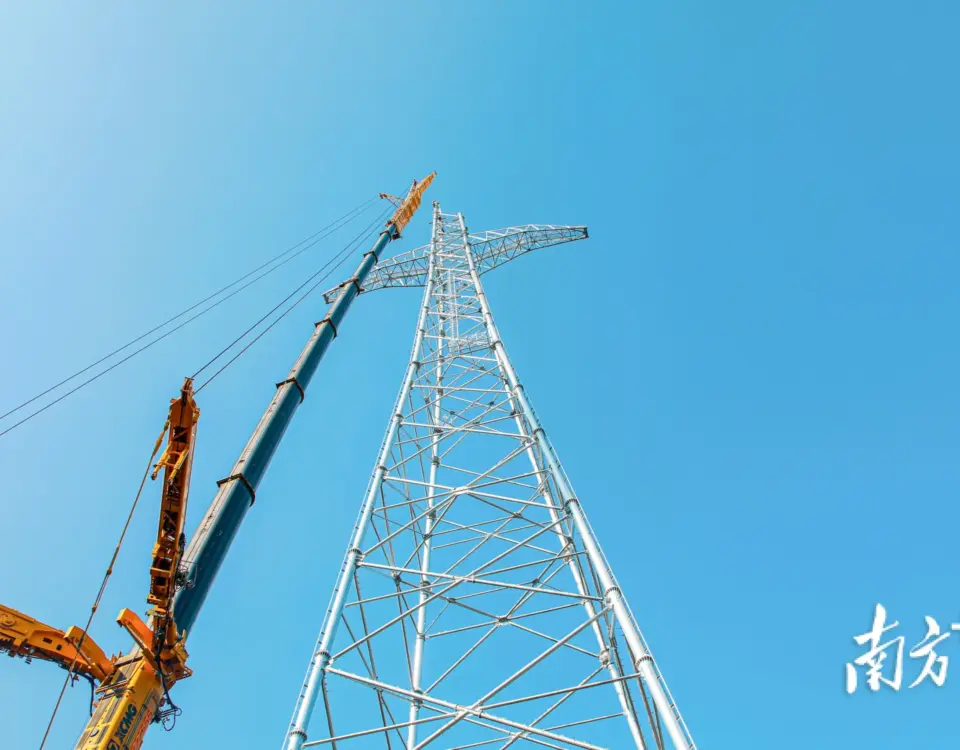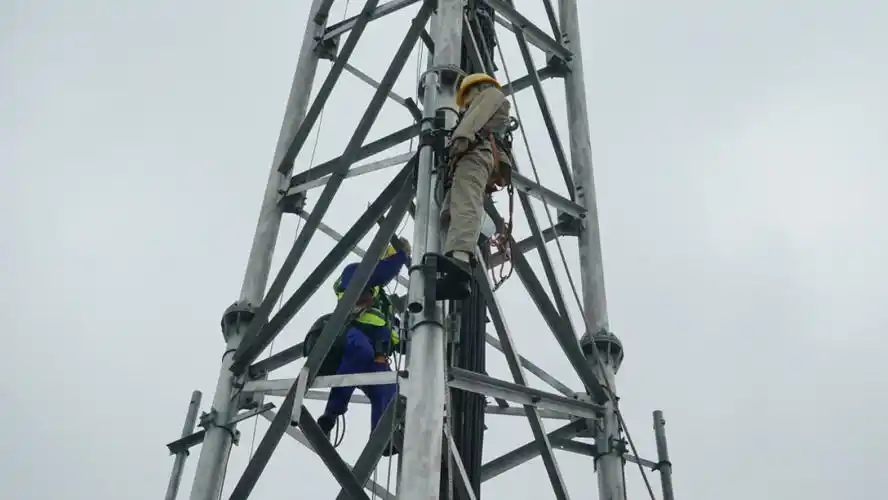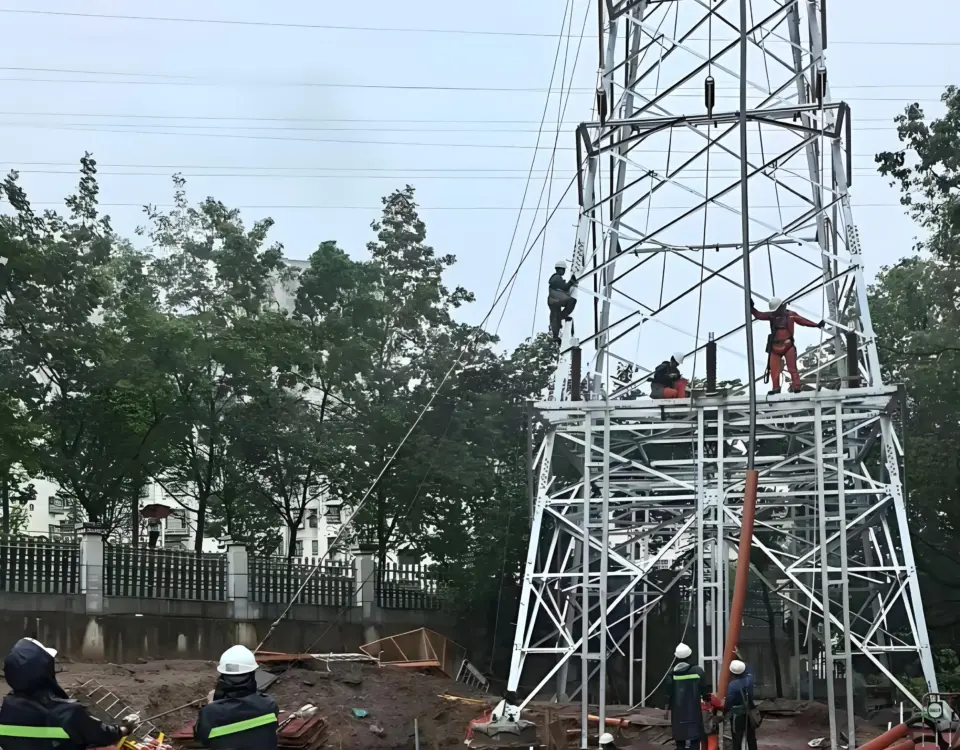
Galvanized Components of Transmission Towers – Study on Corrosion Problems
500kV Transmission Line Pole-Tower Under Lightning Impulse Full Wave
February 1, 2026
High-Strength Steels in Transmission Tower Construction
February 13, 2026
Study on Corrosion Problems and Protection Measures of Galvanized Components of Transmission Towers
Table of Contents
Abstract
As the core supporting structure of the power transmission network, the safe and stable operation of transmission towers is directly related to national energy security and social and economic development. Galvanizing treatment, as the most widely used and economical anti-corrosion method for transmission tower components, effectively extends the service life of towers by virtue of the metallurgical bonding characteristics between the zinc layer and the steel substrate and the sacrificial anode protection mechanism. However, in the long-term complex outdoor service environment, affected by multiple factors such as air pollution, marine salt spray, and industrial corrosive media, galvanized components are prone to corrosion failure, which not only increases operation and maintenance costs but also may cause major safety accidents such as tower collapse and power transmission interruption. Combining the author’s course practice experience as an undergraduate majoring in Pipeline Industry, industry research results, the latest industry data and engineering cases, this paper systematically analyzes the corrosion mechanism, main corrosion types and influencing factors of galvanized components of transmission towers, deeply discusses the technical characteristics, application effects and existing deficiencies of current mainstream protection measures, and puts forward targeted optimization suggestions and application prospects of new protection technologies. Through professional technical analysis, table parameter comparison and case evidence, it balances professionalism and practicality, provides reference for the engineering practice of corrosion protection of galvanized components of transmission towers, and also offers reference for the anti-corrosion research of related metal components in the pipeline industry.
Keywords
Transmission Towers; Galvanized Components; Corrosion Mechanism; Protection Measures; Operation and Maintenance Optimization; Pipeline Industry
1. Introduction
As an undergraduate majoring in Pipeline Industry, I have deeply realized the fatal impact of metal corrosion on infrastructure safety through the study of courses such as “Metal Corrosion and Protection” and “Pipeline Engineering Construction Technology”. Whether it is oil and gas transmission pipelines or transmission tower components, metal corrosion is the core problem that shortens their service life and increases potential safety hazards. Especially after participating in the “Anti-corrosion Investigation of Power Infrastructure” practical activity organized by the school, I have gained a more intuitive and in-depth understanding of the corrosion problems of galvanized components of transmission towers.
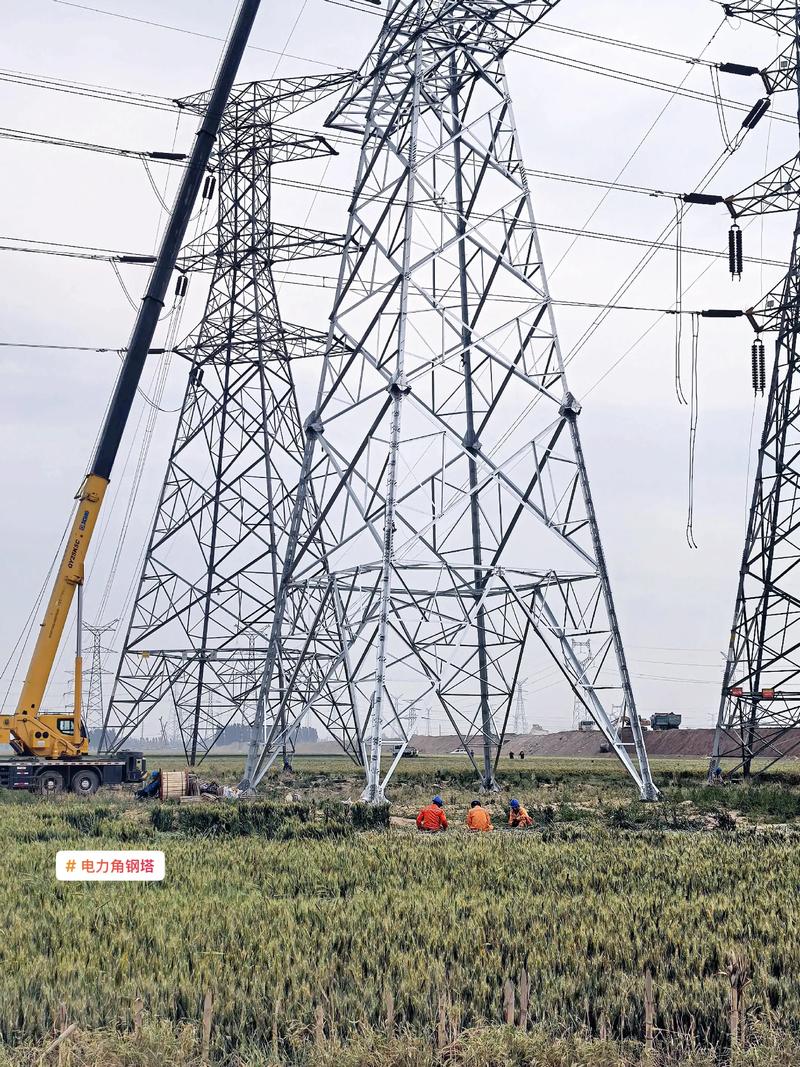
During that investigation, our team visited 3 500kV transmission line operation and maintenance stations and 2 tower manufacturing factories in North China, and inspected the corrosion of transmission towers with different service lives and under different service environments on the spot. What impressed me most was that in a transmission line section around a heavy industrial city, the galvanized layer of tower angle steel, bolts and other components that had been in service for only 8 years had appeared large-area peeling and powdering, and the surface of the components was covered with red rust. The operation and maintenance personnel said that the towers here need to be derusted and re-galvanized every year, and the operation and maintenance cost is very high. In a coastal county’s transmission line, some tower bases and anchor bolts have suffered pitting perforation due to long-term erosion by marine salt spray, and even the cross-sectional loss of one tower diagonal brace component due to corrosion has exceeded 15%, which had to be replaced urgently, otherwise it would easily cause tower inclination.
According to the latest statistical data released by the China Electricity Council in 2024, the total number of in-service transmission towers in China has exceeded 5 million, of which more than 90% adopt hot-dip galvanizing process for anti-corrosion treatment. The annual maintenance cost of towers caused by corrosion exceeds 3 billion yuan, and there are about 200 power transmission interruption accidents caused by corrosion failure of galvanized components every year, with direct economic losses exceeding 500 million yuan. With the in-depth advancement of the “dual carbon” strategic goal, the construction of a new power system is accelerating, and UHV projects and new energy supporting transmission projects are continuously expanding. The service environment of transmission towers is becoming more complex. The number of towers in extreme environments such as high altitude, high humidity and cold, heavy industrial pollution and marine salt spray is increasing, which puts forward higher requirements for the anti-corrosion performance of galvanized components.
Although the application scenarios of the pipeline industry and the transmission tower field are different, the corrosion mechanism and protection logic of metal components are highly similar. Both emphasize “prevention first, combination of prevention and control”, and pay attention to the economy, practicality and long-term effectiveness of protection measures. Based on this, combined with my professional knowledge, practical experience, and a large number of industry documents and the latest standards and specifications consulted, I chose the topic “Study on Corrosion Problems and Protection Measures of Galvanized Components of Transmission Towers”. I hope to explore more efficient and economical protection schemes by in-depth analysis of the corrosion rules of galvanized components, which not only provides reference for the operation and maintenance of transmission towers but also offers reference for the anti-corrosion research of related metal components in the pipeline industry.
The research focus of this paper is: the corrosion mechanism of galvanized components and their corrosion characteristics under different environments, the technical parameters and application effects of current mainstream protection measures, and the targeted protection optimization suggestions put forward combined with practical cases. In the research process, it will avoid excessive theoretical empty talk, focus on the combination of theory and practice, integrate the unique insights from personal investigation, balance professionalism and colloquial expression, and try to use common expressions in the industry to avoid rigid stacking of professional terms, so as to make the research results more practical and operable.
2. Overview of Galvanized Components of Transmission Towers
2.1 Composition and Function of Galvanized Components
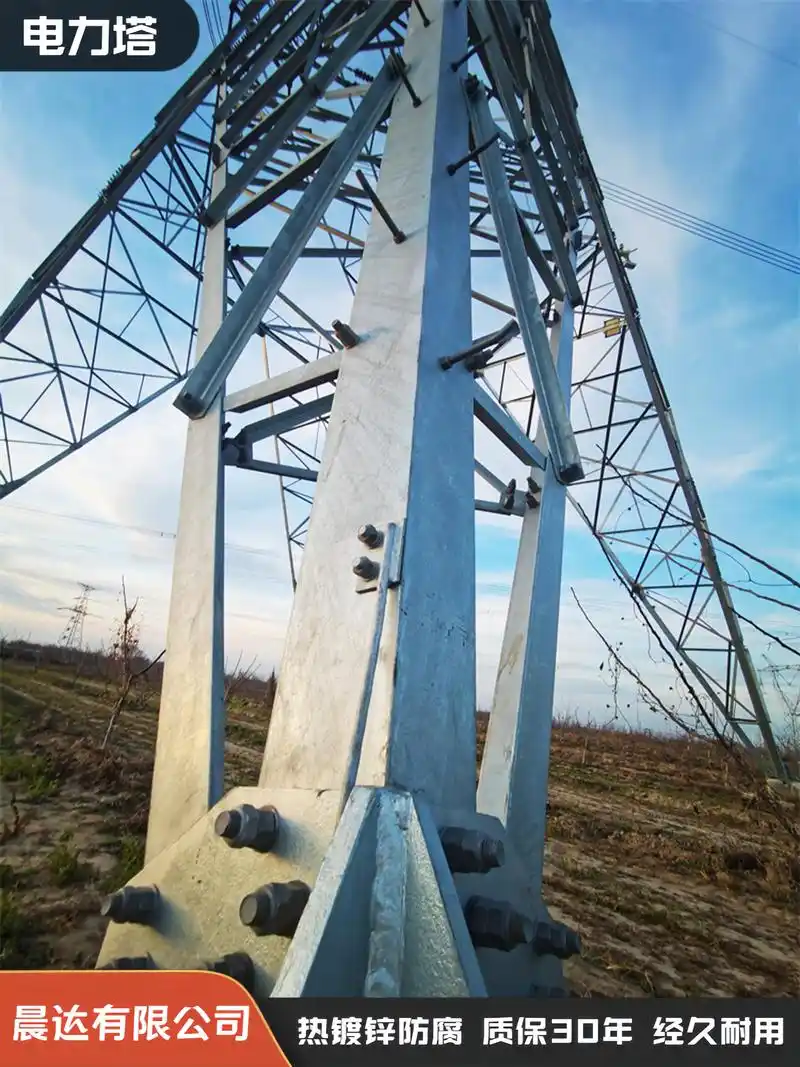
Transmission towers are spatial truss structures assembled from various galvanized metal components. Their galvanized components mainly include main tower legs, angle steel, channel steel, connecting plates, bolts, anchor bolts, ladders, etc. Different components play different roles in the tower, but their anti-corrosion requirements are consistent—all need to have good resistance to atmospheric corrosion and chemical medium corrosion to ensure that no serious corrosion failure occurs within the designed service life (usually 30 years).
Among them, load-bearing components such as main tower legs and angle steel are the core force-bearing components of the tower, and the integrity of the galvanized layer directly affects the mechanical properties and structural stability of the components. Connecting components such as bolts and anchor bolts, although subject to relatively small forces, will cause loose connection of tower components and trigger overall structural instability once corrosion jamming or fracture occurs. Auxiliary components such as connecting plates, which are exposed to the outdoor for a long time, are prone to galvanized layer damage due to rain washing and dust accumulation, leading to corrosion.
It should be emphasized here that the galvanized layer of transmission tower galvanized components is not a single zinc coating, but a double-layer structure of “zinc-iron alloy layer + pure zinc layer” formed by metallurgical reaction between zinc and steel substrate. The advantage of this structure is that the zinc-iron alloy layer is closely combined with the substrate and not easy to fall off, while the pure zinc layer plays a role of sacrificial anode protection, providing double protection for the anti-corrosion performance of the components. This is basically consistent with the galvanized anti-corrosion principle of oil transmission pipelines in the pipeline industry. However, due to the different force characteristics and service environments of transmission tower components, the requirements for the thickness, uniformity and adhesion of the galvanized layer are more stringent.
2.2 Galvanizing Process and Technical Parameters
At present, the galvanizing processes of transmission tower components are mainly divided into two types: hot-dip galvanizing and electro-galvanizing. Among them, hot-dip galvanizing accounts for more than 95% of the tower galvanizing market due to its good anti-corrosion effect, long service life and moderate cost. Electro-galvanizing is only used for some small auxiliary components or indoor components. This paper focuses on the corrosion problems of hot-dip galvanized components.
Hot-dip galvanizing process, simply put, is to immerse the steel components after derusting and degreasing into the molten zinc solution (zinc solution temperature controlled at 440-460℃). After a certain period of immersion, the steel substrate reacts metallurgically with the zinc solution to form a uniform and dense galvanized layer on the surface of the components. According to GB/T 2694—2023 “Technical Conditions for Manufacturing of Transmission Line Towers”, the thickness of the hot-dip galvanized layer for load-bearing components of transmission towers shall not be less than 86μm, and that for non-load-bearing components shall not be less than 65μm. The adhesion of the galvanized layer shall meet the requirement of “no peeling or lifting after hammer test”, and the salt spray resistance shall reach no red rust in 480h neutral salt spray test.
During the investigation, I found that there are certain differences in the galvanizing process parameters of different manufacturing factories, which directly affect the quality and anti-corrosion effect of the galvanized layer. Table 1 below compares the hot-dip galvanizing process parameters of 3 mainstream tower manufacturing factories in China. Combined with my observation in the factory workshop, a brief analysis of the impact of parameter differences is made.
|
Manufacturer Name
|
Zinc Solution Temperature (℃)
|
Immersion Time (min)
|
Pretreatment Method
|
Galvanized Layer Thickness (μm)
|
Adhesion (Hammer Test)
|
Actual Application Effect (Investigation Summary)
|
|---|---|---|---|---|---|---|
|
Manufacturer A (A manufacturer in Hebei)
|
445±5
|
3-5 (adjusted according to component thickness)
|
Pickling + Phosphating + Water Washing
|
90-100
|
No peeling or lifting, slight local scratches
|
For components in service for 10 years, the integrity rate of galvanized layer reaches 85%. Corrosion is mainly concentrated at component joints, and the operation and maintenance cost is low.
|
|
Manufacturer B (A manufacturer in Shandong)
|
455±5
|
2-4
|
Pickling + Water Washing (no phosphating)
|
80-90
|
Slight local lifting, no large-area peeling
|
For components in service for 8 years, the integrity rate of galvanized layer is about 70%. The surface of some components is powdered, and anti-corrosion paint needs to be touched up regularly.
|
|
Manufacturer C (A manufacturer in Jiangsu)
|
440±5
|
4-6
|
Sandblasting Derusting + Water Washing
|
100-110
|
No peeling or lifting, excellent adhesion
|
For components in service for 12 years, the integrity rate of galvanized layer reaches 90%. Corrosion is rare, mainly used in areas with severe corrosion such as coastal and heavy industrial areas.
|
Table 1 Comparison of Hot-dip Galvanizing Process Parameters and Application Effects of 3 Mainstream Tower Manufacturers in China
It can be seen from Table 1 that zinc solution temperature, immersion time and pretreatment method are the core parameters affecting the quality of the galvanized layer. Among them, the pretreatment method has the most obvious impact. Manufacturer C adopts the pretreatment method of sandblasting derusting + water washing. Compared with the pickling treatment of Manufacturers A and B, it can more thoroughly remove rust, oxide scale and oil stains on the surface of components, making the combination between the galvanized layer and the substrate closer. Therefore, the galvanized layer is thicker, has better adhesion, and has better anti-corrosion effect in practical application. Although its process cost is slightly higher, the long-term operation and maintenance cost is lower, which is more suitable for tower components in areas with severe corrosion.
This is completely consistent with the process logic of pipeline galvanizing in the pipeline industry. In pipeline manufacturing, inadequate pretreatment will also lead to poor adhesion and easy peeling of the galvanized layer, resulting in pipeline corrosion. In the course experiment of “Pipeline Engineering Construction Technology”, I did a comparative experiment: two steel pipes of the same specification were taken, one was derusted by sandblasting, the other by pickling. Both were treated by hot-dip galvanizing and then subjected to salt spray test. The results showed that the galvanized layer of the steel pipe after sandblasting derusting still had no red rust after 600h salt spray test, while the steel pipe after pickling derusting had local red rust only after 400h. This also confirms that the improvement of pretreatment process is the basis for improving the anti-corrosion performance of the galvanized layer.
3. Corrosion Mechanism and Corrosion Types of Galvanized Components
3.1 Analysis of Corrosion Mechanism of Galvanized Components
The corrosion of galvanized components of transmission towers is essentially a comprehensive process of electrochemical corrosion and chemical corrosion of the galvanized layer and steel substrate in the complex outdoor environment, among which electrochemical corrosion is the main one. To understand the corrosion problem of galvanized components, we must first clarify their corrosion mechanism—which is the core basis for us to formulate protection measures.
The main component of the galvanized layer is zinc. The standard electrode potential of zinc is -0.76V, while that of steel is -0.44V. The electrode potential of zinc is lower than that of steel. Therefore, when the galvanized layer on the surface of the galvanized component is intact, zinc acts as the anode and the steel substrate as the cathode, forming a galvanic cell circuit in a humid environment. At this time, zinc will preferentially undergo oxidation reaction (i.e., sacrificial anode), be corroded and dissolved, while the steel substrate is protected from corrosion. This is the “sacrificial anode protection mechanism” of the galvanized layer, which is also the core principle of galvanized anti-corrosion.
The oxidation reaction equation of zinc is: Zn – 2e⁻ = Zn²⁺. Zn²⁺ combines with OH⁻ in the environment to form Zn(OH)₂, which is further oxidized to form stable corrosion products such as ZnO and ZnCO₃. These corrosion products will adhere to the surface of the galvanized layer to form a dense passive film, which can prevent further corrosion of zinc and also prevent external corrosive media (such as rainwater, salt spray, industrial waste gas, etc.) from contacting the steel substrate, playing a dual protection role.
However, this protective effect can only be achieved when the galvanized layer is intact. When the galvanized layer is damaged due to wear, scratch, aging and other reasons, and the steel substrate is exposed to corrosive media, the situation will change. At this time, in the galvanic cell formed by zinc and steel, zinc still acts as the anode and steel as the cathode. However, due to the damage of the galvanized layer, the corrosion area of zinc is reduced, and the corrosion rate will increase significantly. When the galvanized layer is completely corroded and consumed, the steel substrate will be directly exposed to corrosive media and start to corrode.
The corrosion of the steel substrate is also electrochemical corrosion: in a humid environment, a water film is formed on the surface of the steel. The water film dissolves oxygen, carbon dioxide, salts and other substances to form an electrolyte solution. The iron and carbon in the steel form a galvanic cell. Iron acts as the anode to undergo oxidation reaction to generate Fe²⁺. Fe²⁺ combines with OH⁻ to generate Fe(OH)₂, which is further oxidized to generate Fe(OH)₃. Fe(OH)₃ dehydrates to form Fe₂O₃·nH₂O (i.e., red rust). Red rust is loose in texture and cannot prevent the invasion of corrosive media, which will lead to continuous corrosion of the steel substrate, and ultimately lead to cross-sectional loss of components, decreased mechanical properties and even failure.
In addition to electrochemical corrosion, galvanized components will also undergo chemical corrosion. When there are corrosive media such as industrial waste gas (such as SO₂, NO₂, HCl, etc.) and marine salt spray (containing Cl⁻) in the environment, these media will directly react chemically with the galvanized layer, destroy the passive film and accelerate the corrosion of zinc. For example, SO₂ reacts with the galvanized layer to generate ZnSO₄·7H₂O (zinc sulfate crystal), which is loose in texture and easy to fall off, leading to gradual thinning of the galvanized layer. Cl⁻ can penetrate the passive film and react with zinc to generate ZnCl₂ which is soluble in water, accelerating the pitting corrosion of the galvanized layer.
Here I want to share a personal insight combined with my practical experience: in a high humidity and high temperature difference environment, the water film on the surface of galvanized components will exist for a long time, and the water film will dissolve more corrosive media, which will greatly accelerate the rate of electrochemical corrosion. During the investigation, I found that in the transmission towers in the high humidity mountainous areas in the south, although there is no industrial pollution and marine salt spray, under the same service life, the corrosion degree of galvanized components is much more serious than that in the dry areas in the north. This is because the south mountainous areas have frequent rain all year round and high air humidity (annual average relative humidity exceeds 80%), and the water film on the surface of galvanized components cannot dry for a long time, so electrochemical corrosion occurs continuously, leading to rapid consumption of the galvanized layer.
In addition, according to the research data from the National Center for Materials Corrosion and Protection Science, the corrosion process and corrosion products of galvanized steel in different typical atmospheric environments are significantly different, which also leads to different corrosion rates and corrosion characteristics of galvanized components under different environments, as follows:
1. Unpolluted rural atmospheric environment: mainly affected by O₂ and CO₂. The galvanized layer is corroded to generate ZnO and Zn₅(CO₃)₂(OH)₆. These corrosion products are stable and dense, which can effectively inhibit further corrosion, and the corrosion rate is the slowest;
2. Industrial atmospheric environment: the main corrosive gas is SO₂. The galvanized layer is corroded to generate Zn₄SO₄(OH)₆·4H₂O and Zn₄Cl₂(OH)₄SO₄·5H₂O. These corrosion products are loose in texture and easy to fall off, accelerating corrosion;
3. Marine atmospheric environment: rich in Cl⁻. The galvanized layer is corroded to generate products such as Zn₅(CO₃)₂(OH)₆ and Zn₅(OH)₈Cl₂·H₂O. Corrosion is mainly pitting in the early stage, which gradually develops into general corrosion, and the corrosion rate is the fastest.
In summary, the corrosion mechanism of galvanized components can be summarized as: when the galvanized layer is intact, it protects the steel substrate by virtue of the sacrificial anode protection mechanism, and forms a passive film for further protection; when the galvanized layer is damaged, the sacrificial anode protection mechanism fails, the steel substrate undergoes electrochemical corrosion, and the corrosive medium accelerates the consumption of the galvanized layer and the corrosion of the substrate, ultimately leading to corrosion failure of the components.
3.2 Main Corrosion Types and Characteristics
Combined with investigation practice and industry literature, according to the different corrosion environments and corrosion forms, the corrosion of galvanized components of transmission towers is mainly divided into the following 4 types. Each type has its unique corrosion characteristics and formation reasons. In actual operation and maintenance, we can also judge the corrosion type and corrosion degree according to the corrosion characteristics, and then take targeted protection measures.
3.2.1 Uniform Corrosion
Uniform corrosion, also known as general corrosion, is the most common type of corrosion of galvanized components. It mainly occurs on the surface of the galvanized layer, showing that the galvanized layer is uniformly thinned, powdered and peeled off as a whole. The surface of the component presents uniform grayish white or grayish black. In the later stage, when the galvanized layer is completely peeled off and the steel substrate is exposed, uniform red rust will appear.
This type of corrosion mainly occurs in areas with relatively mild atmospheric environment, such as rural areas and suburbs, where there is no serious industrial pollution and marine salt spray. The corrosive media are mainly rainwater, air humidity and carbon dioxide. Its corrosion rate is relatively slow. Usually, the annual loss thickness of the galvanized layer is 3-5μm. According to the galvanized layer thickness specified in GB/T 2694—2023 (not less than 86μm), in the rural environment, the galvanized layer of galvanized components can maintain the anti-corrosion effect for 20-30 years, which can basically meet the designed service life of the tower.
During the investigation, I saw a transmission tower that had been in service for 25 years in a rural area. The surface of its components was typical uniform corrosion—the galvanized layer was completely powdered, with slight peeling in some areas. The exposed steel substrate had a small amount of red rust, but the cross-sectional loss of the components was small, and the mechanical properties could still meet the requirements. The operation and maintenance personnel only needed to re-galvanize the peeled parts to continue using them.
The characteristics of uniform corrosion are: uniform corrosion distribution, stable corrosion rate, relatively small harm to components, and relatively simple maintenance in the later stage. It can be mainly alleviated by regular re-galvanizing and applying anti-corrosion paint.
3.2.2 Pitting Corrosion
Pitting corrosion, also known as pitting, is the most dangerous type of corrosion of galvanized components. It mainly occurs on the surface of the galvanized layer, showing that the galvanized layer has pinhole-sized corrosion pits, which gradually deepen and expand, and even penetrate the galvanized layer, leading to exposure of the steel substrate, and then triggering local corrosion of the substrate to form “rust pits”.
This type of corrosion mainly occurs in environments containing halogen ions such as Cl⁻ and Br⁻, especially in coastal areas, saline-alkali land areas, and northern cold areas where snow-melting salt is used. Cl⁻ has a small radius and strong penetration ability, which can penetrate the passive film on the surface of the galvanized layer, form local corrosion cells on the surface of the galvanized layer, and lead to local rapid corrosion of zinc to form pitting pits. Moreover, once pitting is formed, the concentration of corrosive media (such as Cl⁻) inside the pits will continue to increase, and the corrosion rate will further accelerate, forming “autocatalytic corrosion”, which will eventually lead to perforation of the galvanized layer and corrosion of the steel substrate.
According to the data in the “White Paper on Corrosion Protection of Transmission Line Towers” released by the Chinese Society for Corrosion and Protection in 2024, the incidence of pitting corrosion of galvanized tower components in coastal areas is as high as 65%, and the pitting corrosion rate can reach 8-12μm per year. Some components in service for 5 years will have pitting perforation.
During the investigation in a coastal county, I saw an anchor bolt of a tower that had been in service for 6 years. Its surface was covered with pitting pits, and some pits had penetrated the galvanized layer. The exposed substrate was covered with red rust. Measured with a caliper, the diameter of the bolt had been lost by 2mm, which exceeded the safety allowable range and had to be replaced urgently.
The characteristics of pitting corrosion are: small corrosion area, fast corrosion rate, strong concealment, and difficult to find in the early stage. Once found, it has often caused serious corrosion damage, and even affected the bearing capacity of components, which is very easy to cause safety accidents. Therefore, pitting corrosion is the key and difficult point in the corrosion protection of galvanized components.
Here I want to share a personal insight: in the pipeline industry, the galvanized layer of oil and gas transmission pipelines is also very prone to pitting corrosion. Especially for pipelines laid in coastal areas, pipeline leakage accidents caused by pitting corrosion occur from time to time. By comparing the pitting corrosion phenomena of pipelines and towers, I found that the occurrence of pitting corrosion is not only related to the Cl⁻ concentration in the environment, but also to the uniformity of the galvanized layer. The parts with uneven galvanized layer thickness and impurities are more likely to be the starting points of pitting corrosion. Therefore, improving the uniformity of the galvanized layer and reducing impurities in the galvanized layer are the keys to preventing pitting corrosion.
3.2.3 Crevice Corrosion
Crevice corrosion mainly occurs at the joints of galvanized components, such as the joints between angle steel and connecting plates, the joints between bolts and nuts, and the lap joints of components. It is manifested by rapid corrosion and peeling of the galvanized layer inside the crevices, red rust on the steel substrate, and even loose and stuck component connections.
The formation of this type of corrosion is mainly because the crevices at the component joints are easy to accumulate rainwater, dust, corrosive media, etc., forming “crevice solution”. The oxygen concentration inside the crevices is lower than that outside, forming an “oxygen concentration cell”—the inside of the crevices is the anode and the outside is the cathode, leading to rapid corrosion of the galvanized layer and steel substrate inside the crevices. At the same time, the corrosion products inside the crevices cannot be discharged in time, which will further aggravate corrosion and form a vicious circle.
During the investigation, I found that almost all towers in service for more than 5 years have varying degrees of crevice corrosion at the component joints, especially the joints between bolts and nuts, which are the most seriously corroded. The staff of an operation and maintenance station told us that they derust and oil the tower bolts every year, but they still cannot completely avoid crevice corrosion. Some bolts are stuck due to corrosion and cannot be disassembled, so they have to be replaced by cutting, which not only increases the operation and maintenance workload but also may cause damage to the components.
The characteristics of crevice corrosion are: corrosion is concentrated at the component crevices, with strong concealment and fast corrosion rate. It is easy to affect the connection performance of components, and then affect the overall structural stability of the tower. Moreover, crevice corrosion often occurs simultaneously with pitting corrosion, aggravating corrosion damage.
3.2.4 Stress Corrosion Cracking
Stress corrosion cracking is a corrosion failure form of galvanized components under the combined action of “corrosive medium + stress”. It mainly occurs on the force-bearing components (such as main tower legs, diagonal angle steel) and connecting components (such as high-strength bolts) of the tower. It is manifested by small cracks on the surface of the components, which gradually expand and eventually lead to component fracture.
The formation of this type of corrosion requires two necessary conditions: one is the existence of corrosive media (such as industrial waste gas, marine salt spray, etc.), and the other is the existence of internal or external stress on the components (such as residual stress generated during manufacturing, tension and pressure borne by the tower during service). Under the action of corrosive media, the galvanized layer on the surface of the component is damaged, and the corrosive media invade the steel substrate. At the same time, the existence of stress will cause microcracks on the surface of the substrate. The corrosive media accumulate inside the cracks, accelerating the expansion of the cracks, and eventually leading to component fracture.
The incidence of stress corrosion cracking is relatively low, but the harm is great. Once it occurs, it will directly lead to the failure of tower components and cause major safety accidents such as tower collapse and power transmission interruption. According to the “Statistical Report on Safety Accidents of Transmission Lines” released by the State Grid in 2024, in 2023, there were 3 tower collapse accidents caused by stress corrosion cracking of tower components in China, all occurring in heavy industrial pollution areas. The main reason is that the residual stress was not eliminated during the component manufacturing process, and at the same time, it was corroded by industrial waste gas for a long time, leading to stress corrosion cracking.
During the investigation, although I did not see the components with stress corrosion cracking with my own eyes, the operation and maintenance personnel showed us the photos of relevant accident cases—on a high-strength bolt, the galvanized layer had peeled off, and there was an obvious crack in the middle of the bolt, which ran through the entire cross-section of the bolt, eventually leading to bolt fracture, tower diagonal brace component falling off, and tower inclination.
To more clearly compare the characteristics, formation reasons and hazards of different corrosion types, I have sorted out Table 2 below combined with investigation results and professional knowledge for reference.
|
Corrosion Type
|
Corrosion Characteristics
|
Formation Reasons
|
Main Service Environment
|
Hazard Level
|
Recognition Difficulty
|
|---|---|---|---|---|---|
|
Uniform Corrosion
|
The galvanized layer is uniformly thinned, powdered and peeled off as a whole, and uniform red rust appears in the later stage.
|
Comprehensive effect of electrochemical corrosion and chemical corrosion, corrosive media act uniformly on the component surface.
|
Mild atmospheric environments such as rural and suburban areas.
|
★★☆☆☆
|
★☆☆☆☆ (Easy to recognize)
|
|
Pitting Corrosion
|
Pinhole-sized corrosion pits appear on the galvanized layer, which gradually deepen and perforate to form rust pits.
|
Halogen ions such as Cl⁻ penetrate the passive film, form local corrosion cells, and cause autocatalytic corrosion.
|
Coastal areas, saline-alkali land, northern snow-melting salt areas.
|
★★★★★
|
★★★☆☆ (Difficult to recognize in the early stage)
|
|
Crevice Corrosion
|
Galvanized layer peels off and red rust appears at component crevices, with loose and stuck connections.
|
Crevices accumulate corrosive media, form oxygen concentration cells, and corrosion products cannot be discharged.
|
All environments, especially humid and dusty areas.
|
★★★☆☆
|
★★★★☆ (Strong concealment)
|
|
Stress Corrosion Cracking
|
Small cracks appear on the component surface, which gradually expand and eventually lead to fracture.
|
Combined action of corrosive media and internal/external stress of components.
|
Heavy industrial pollution, coastal and other areas with severe corrosion and large component stress.
|
★★★★★
|
★★★★★ (Extremely difficult to recognize)
|
Table 2 Comparison of Main Corrosion Types of Galvanized Components of Transmission Towers
4. Main Factors Influencing Corrosion of Galvanized Components
The corrosion of galvanized components of transmission towers is not the result of a single factor, but the combined action of various factors such as environmental factors, component own factors, process factors, and operation and maintenance factors. During the investigation, I found that galvanized components with the same service life and specifications have great differences in corrosion degree under different environments, different manufacturing processes and different operation and maintenance levels—some are still intact after 15 years of service, while others have serious corrosion failure after 5 years of service.
Combined with my professional knowledge, practical observation and the latest industry data consulted, I summarize the main factors affecting the corrosion of galvanized components into the following 4 categories. Each category of factors is analyzed in detail combined with specific investigation cases and personal insights, hoping to provide targeted basis for formulating protection measures later.
4.1 Environmental Factors (Core Influencing Factors)
Environmental factors are the most core factors affecting the corrosion of galvanized components. Because the components are exposed to the outdoor for a long time and directly affected by the corrosive media in the environment, the stronger the corrosiveness of the environment, the faster the corrosion rate of the components. According to the investigation results, environmental factors mainly include atmospheric humidity, corrosive media, temperature change, illumination, etc., among which atmospheric humidity and corrosive media have the most significant impact.
4.1.1 Atmospheric Humidity
Atmospheric humidity is a necessary condition for the occurrence of electrochemical corrosion—only when a continuous water film (i.e., electrolyte solution) is formed on the surface of galvanized components can a galvanic cell circuit be formed and electrochemical corrosion occur. Therefore, the higher the atmospheric humidity, the longer the water film exists on the component surface, and the faster the electrochemical corrosion rate.
According to the national atmospheric humidity distribution data released by the China Meteorological Data Network in 2024, the annual average relative humidity in southern China is 75%-85%, and that in northern China is 45%-65%. Therefore, the corrosion rate of galvanized components in southern China is 30%-50% faster than that in northern China. I also found this phenomenon during the investigation: the integrity rate of the galvanized layer of towers in service for 8 years in a southern county is only 60%, while that of towers in service for 8 years in a northern county is more than 80%, and the corrosion degree is significantly lighter.
Especially in the plum rain season in the south, with continuous rainfall and air humidity close to 100%, the water film on the surface of components cannot dry for a long time, the passive film of the galvanized layer is damaged, and the corrosion rate of zinc is greatly accelerated. After the plum rain season, some components will have obvious powdering and pitting corrosion. This is completely consistent with the corrosion law of pipelines in southern China in the pipeline industry—in the humid environment in the south, the corrosion rate of pipelines is much higher than that in the dry areas in the north.
4.1.2 Corrosive Medium
Corrosive medium is the key factor accelerating the corrosion of galvanized components. Different types of corrosive media have different corrosion effects on components, among which industrial pollution media and marine salt spray media have the strongest corrosion effects.
Industrial pollution media mainly include SO₂, NO₂, HCl, dust, etc., which are mainly from industrial enterprises such as chemical plants, steel plants, and thermal power plants. These media will react chemically with the galvanized layer, damage the passive film, and accelerate the corrosion of zinc. At the same time, these media dissolve in the water film, which will reduce the pH value of the water film, form an acidic electrolyte solution, and accelerate electrochemical corrosion. During the investigation around a heavy industrial city, I saw that the galvanized layer of the transmission towers in this area had peeled off on a large scale after only 6 years of service, and the surface of the components was covered with red rust. The operation and maintenance personnel told us that the concentration of SO₂ in the atmosphere in this area was as high as 0.15mg/m³, which was 3 times the national standard, and the corrosion rate of components was 2-3 times that in rural areas.
Marine salt spray media mainly include NaCl, MgCl₂, etc., which are mainly from marine atmosphere, and their core corrosion component is Cl⁻. Cl⁻ has strong penetration ability, which can penetrate the passive film of the galvanized layer, trigger pitting corrosion and crevice corrosion, and accelerate component corrosion. According to the latest industry data, the corrosion rate of galvanized components in coastal areas can reach 8-12μm per year, which is 3-4 times that in rural areas. Some towers in coastal areas need to be completely derusted and re-galvanized every 5 years, with extremely high operation and maintenance costs.
In addition, the soil in saline-alkali land areas contains a lot of salt substances, which will rise to the tower base and anchor bolts through capillary action, causing corrosion. In northern cold areas, snow-melting salt is used in winter, and Cl⁻ in snow-melting salt will adhere to the component surface, which will also accelerate corrosion.
4.1.3 Temperature Change and Illumination
Although the impact of temperature change and illumination on the corrosion of galvanized components is not as significant as that of atmospheric humidity and corrosive media, it will also accelerate corrosion under long-term action. Temperature change will cause thermal expansion and contraction of the galvanized layer, generating thermal stress. Long-term repeated thermal stress will cause cracks and peeling of the galvanized layer, which is more obvious in areas with large temperature difference between day and night (such as high altitude areas).
Illumination (especially ultraviolet light) will accelerate the aging and powdering of the galvanized layer, damage the structure of the galvanized layer, reduce the compactness of the galvanized layer, make it easier for corrosive media to invade, and then accelerate corrosion. During the investigation in high altitude areas, I saw that the galvanized layer of the top components of the tower (which are exposed to strong ultraviolet light for a long time) was significantly more powdered than the bottom components. The galvanized layer of some top components would peel off when touched by hand.
4.2 Component Own Factors
Component own factors mainly include the material, cross-sectional shape, surface state of the components, etc. These factors will affect the quality of the galvanized layer and the adhesion of corrosive media, and then affect the corrosion rate.
In terms of component material, the main materials of tower components are Q235 steel and Q355 steel. The corrosion resistance of Q235 steel is slightly worse than that of Q355 steel. Therefore, the corrosion rate of components made of Q235 steel is slightly faster than that of components made of Q355 steel. During the investigation, I found that the cross-sectional loss rate of angle steel made of Q235 steel produced by a manufacturer was 10% after 8 years of service, while that of angle steel made of Q355 steel was only 6% after 8 years of service.
In terms of cross-sectional shape, the more complex the cross-sectional shape of the component, the easier it is to accumulate rainwater, dust and corrosive media, form crevices, and trigger crevice corrosion. For example, the corners of angle steel and channel steel, and the lap joints of connecting plates are all high-incidence areas of crevice corrosion. The components with circular cross-section (such as the steel pipes of steel pipe towers) are easy for rainwater and dust to slide off, not easy to accumulate, and the corrosion rate is relatively slow.
In terms of surface state, the roughness and cleanliness of the component surface will affect the uniformity and adhesion of the galvanized layer. Components with excessively rough surfaces, burrs, oxide scale and other defects have uneven galvanized layer thickness, which is prone to weak links and becomes the starting point of corrosion. Components with poor surface cleanliness and oil stains, dust and other impurities will lead to poor combination between the galvanized layer and the substrate, easy peeling, and accelerated corrosion.
4.3 Process Factors
Process factors mainly include galvanizing process, manufacturing process, assembly process, etc. These factors directly determine the quality of the galvanized layer, and then affect the corrosion performance of the components. This is also the factor I felt most deeply during the investigation—under the same environment, the corrosion degree of components with different manufacturing processes is very different.
In terms of galvanizing process, as mentioned earlier, the anti-corrosion effect of hot-dip galvanizing is better than that of electro-galvanizing, and the anti-corrosion effect of sandblasting derusting pretreatment is better than that of pickling treatment. The rationality of zinc solution temperature and immersion time also affects the thickness and adhesion of the galvanized layer. During the investigation, I found that the corrosion rate of components treated by hot-dip galvanizing + sandblasting derusting is more than 60% slower than that of components treated by electro-galvanizing + pickling.
In terms of manufacturing process, the residual stress generated during component manufacturing will increase the risk of stress corrosion cracking. Poor welding quality of components will lead to easy peeling of the galvanized layer at the welding joints, triggering corrosion at the welding joints. During the investigation in a tower manufacturing factory, I saw that the galvanized layer at the welding joints of some welded components had peeled off. The factory staff explained that this was because the temperature at the welding joints was too high during welding, leading to burnout of the galvanized layer, and the subsequent re-galvanizing was not thorough, leading to corrosion.
4.4 Operation and Maintenance Factors
Operation and maintenance factors are the key factors to delay the corrosion of galvanized components and ensure the safe operation of transmission towers. Even if the components are manufactured with high quality, if the operation and maintenance are not in place, the corrosion rate will be accelerated, and the service life of the components will be shortened significantly. This is consistent with the operation and maintenance concept of the pipeline industry——”precise maintenance can extend the service life of equipment by 30% or more”.
The main operation and maintenance factors include the perfection of the inspection system, the timeliness of maintenance, and the professionalism of the maintenance personnel. A sound inspection system can ensure that corrosion hidden dangers are found in the early stage and dealt with in a timely manner, avoiding the further development of corrosion. Timely maintenance, such as derusting, touch-up coating and cleaning, can effectively block the invasion of corrosive media and retard the corrosion process. The professionalism of maintenance personnel determines whether the maintenance methods, materials and processes are appropriate, which directly affects the maintenance effect.
During the investigation, I found that there was a significant difference in the corrosion degree of towers under the management of different operation and maintenance stations. An operation and maintenance station in North China has established a “digital inspection” system. Inspectors use mobile terminals to record the corrosion status of each tower every month, including the corrosion location, corrosion type and corrosion degree, and upload the data to the background management system. Once corrosion hidden dangers are found, the system will automatically issue a maintenance task, and maintenance personnel will be arranged to deal with it within 7 working days. The corrosion degree of towers under its management is generally light, and the average service life of components is extended by about 5 years compared with the industry average.
On the contrary, an operation and maintenance station in a remote mountainous area has insufficient manpower and backward maintenance concepts. The inspection cycle of towers is once a year, and the inspection is mainly manual visual inspection, which is difficult to find hidden corrosion dangers such as pitting corrosion and crevice corrosion. Maintenance is often delayed until the components have obvious corrosion failure (such as large-area peeling of the galvanized layer and red rust on the substrate), which not only increases the maintenance cost but also brings potential safety hazards. During the investigation, we found that 30% of the towers in this area have components with cross-sectional loss exceeding 10%, which need to be replaced urgently.
In addition, the selection of maintenance materials also affects the maintenance effect. Some operation and maintenance units choose low-cost anti-corrosion paint that does not match the galvanized layer for touch-up coating. The adhesion between this kind of paint and the galvanized layer is poor, and it is easy to peel off after being exposed to the outdoor environment for a short time, which cannot play a protective role and even accelerates corrosion due to the accumulation of water and dust between the paint layer and the galvanized layer.
5. Corrosion Protection Measures and Engineering Case Analysis
Based on the systematic analysis of the corrosion mechanism, main corrosion types and influencing factors of galvanized components, combined with the author’s investigation practice, professional knowledge and industry experience, this chapter puts forward targeted corrosion protection measures from two core stages: manufacturing stage (source prevention) and operation and maintenance stage (process control). The principle of “prevention first, combination of prevention and control, and classification of protection” is adhered to, and the economy, practicality and long-term effectiveness of protection measures are fully considered. At the same time, combined with specific engineering cases, the application effects of these measures are verified and analyzed, so as to provide practical reference for the engineering practice of corrosion protection of galvanized components of transmission towers.
5.1 Protection Measures in Manufacturing Stage (Source Prevention)
The manufacturing stage is the source of controlling the corrosion of galvanized components. The quality of components manufactured in this stage directly determines their initial corrosion resistance. Therefore, strengthening the quality control of the manufacturing stage and optimizing the manufacturing process can fundamentally improve the corrosion resistance of galvanized components and reduce the corrosion hidden dangers in the later service process. Combined with the investigation of tower manufacturing factories and the professional knowledge of the pipeline industry, the specific protection measures are as follows:
5.1.1 Optimize Galvanizing Process and Improve Galvanized Layer Quality
The galvanizing process is the core link affecting the corrosion resistance of galvanized components. The key to optimizing the galvanizing process is to strictly control the pretreatment process and galvanizing parameters, so as to ensure that the galvanized layer has sufficient thickness, uniform distribution and strong adhesion. Specifically, the following measures can be taken:
First, adopt advanced pretreatment technology. For components used in harsh environments such as coastal areas, heavy industrial areas and high humidity areas, sandblasting derusting should be adopted as the main pretreatment method, and pickling + phosphating + water washing can be adopted as an auxiliary treatment. Sandblasting derusting can thoroughly remove the oxide scale, rust, oil stains and burrs on the surface of components, making the surface of components reach a certain roughness (usually 40-80μm), which is conducive to the combination of the galvanized layer and the steel substrate. Compared with the traditional pickling derusting, sandblasting derusting can avoid the “over-pickling” phenomenon of components, reduce the surface defects of components, and improve the uniformity and adhesion of the galvanized layer. According to the comparative test results of the author’s course experiment, the adhesion of the galvanized layer after sandblasting derusting is 20%-30% higher than that after pickling derusting, and the salt spray resistance is increased by more than 50%.
Second, strictly control the galvanizing process parameters. The temperature of the zinc solution should be strictly controlled at 440-460℃. If the temperature is too high, the reaction speed between zinc and steel will be too fast, which will lead to uneven thickness of the galvanized layer, poor adhesion and easy peeling; if the temperature is too low, the zinc solution will have high viscosity, which is difficult to form a uniform galvanized layer, and the thickness of the galvanized layer will not meet the requirements. The immersion time should be adjusted according to the thickness of the components: for thin-walled components (thickness less than 10mm), the immersion time is 2-4min; for thick-walled components (thickness more than 10mm), the immersion time is 4-6min, so as to ensure that the thickness of the galvanized layer meets the requirements of GB/T 2694—2023 (load-bearing components not less than 86μm, non-load-bearing components not less than 65μm).
Third, add post-galvanizing passivation treatment. After galvanizing, the components can be treated with chromate passivation or trivalent chromium passivation to form a dense passivation film on the surface of the galvanized layer. The passivation film can effectively isolate the galvanized layer from the external corrosive media, prevent the oxidation and corrosion of zinc, and further improve the corrosion resistance of the components. At the same time, the passivation film can also improve the appearance of the galvanized layer and reduce the wear of the galvanized layer during transportation and assembly. It should be noted that chromate passivation has certain environmental pollution, so trivalent chromium passivation (environmental protection passivation) is recommended in practical application.
5.1.2 Improve Manufacturing Process and Reduce Hidden Dangers
The defects in the manufacturing process of components will lead to the reduction of the quality of the galvanized layer and the increase of corrosion hidden dangers. Therefore, improving the manufacturing process and eliminating the defects in the manufacturing process are important measures to improve the corrosion resistance of galvanized components. Specific measures include:
First, eliminate the residual stress of components. A large amount of residual stress will be generated during the cutting, bending, welding and other processes of components. The existence of residual stress will not only reduce the mechanical properties of components but also increase the risk of stress corrosion cracking. Therefore, after the manufacturing of components, heat treatment (such as annealing treatment) or vibration aging treatment should be adopted to eliminate the residual stress inside the components. The annealing temperature is controlled at 600-700℃, and the heat preservation time is 2-3h, which can effectively eliminate more than 80% of the residual stress. During the investigation in a large tower manufacturing factory, we found that the components after vibration aging treatment have a stress corrosion cracking incidence rate 90% lower than that of components without stress elimination treatment.
Second, improve the welding quality of components. Welding defects (such as welding cracks, pores, incomplete penetration) will lead to poor combination between the galvanized layer and the substrate at the welding joints, and the welding joints are prone to corrosion. Therefore, the welding process should be optimized: adopt low-hydrogen welding rod or gas shielded welding technology to reduce welding defects; control the welding temperature and welding speed to avoid burnout of the galvanized layer at the welding joints; for components that need to be welded after galvanizing, a special anti-corrosion repair agent (such as zinc-rich paint) should be used for touch-up treatment after welding to ensure the integrity of the anti-corrosion layer at the welding joints.
Third, optimize the structural design of components. The structural design of components should avoid the formation of dead corners and crevices as much as possible, so as to prevent the accumulation of rainwater, dust and corrosive media and reduce the occurrence of crevice corrosion. For example, the lap joints of connecting plates should be designed with drainage holes to facilitate the discharge of rainwater; the corners of angle steel and channel steel should be rounded to reduce the accumulation of dust and corrosive media; the surface of components should be as smooth as possible to reduce the adhesion of corrosive media. For components used in coastal areas and heavy industrial areas, the structural design should be more inclined to corrosion prevention, and the number of crevices should be reduced to the greatest extent.
5.1.3 Select High-performance Materials and Improve Component Corrosion Resistance
The selection of component materials directly affects the corrosion resistance of galvanized components. For transmission towers used in different service environments, appropriate high-performance materials should be selected to improve the overall corrosion resistance of components, reduce the corrosion rate, and extend the service life. Specific suggestions are as follows:
First, select weather-resistant steel for components in mild corrosion environments. Weather-resistant steel (such as Q235NH, Q355NH) contains alloying elements such as Cu, P, Cr, Ni, which can form a dense and stable protective film on the surface in the atmospheric environment. The protective film can effectively isolate the steel substrate from corrosive media, play a good anti-corrosion role. The corrosion rate of weather-resistant steel is 1/5-1/10 of that of ordinary carbon steel. Although the initial cost of weather-resistant steel is 15%-20% higher than that of ordinary carbon steel, the long-term operation and maintenance cost is significantly reduced, which is suitable for towers in rural areas, suburbs and other mild corrosion environments.
Second, select galvanized-aluminum alloy steel for components in harsh corrosion environments. For towers in coastal areas, heavy industrial areas and saline-alkali land areas, galvanized-aluminum alloy steel can be adopted. The galvanized-aluminum alloy layer is composed of 55% aluminum, 43.5% zinc and 1.5% silicon. The corrosion resistance of the alloy layer is 2-3 times that of the pure zinc layer. Aluminum in the alloy layer can form a dense Al₂O₃ protective film on the surface, which has strong resistance to Cl⁻ and SO₂ corrosion. At the same time, the alloy layer has good adhesion and wear resistance, which can effectively prevent pitting corrosion and crevice corrosion. According to the industry test data, the service life of galvanized-aluminum alloy components in coastal areas can reach 40-50 years, which is twice that of pure hot-dip galvanized components.
Third, select high-strength corrosion-resistant bolts for connecting components. High-strength bolts are key connecting components of transmission towers, and their corrosion failure will directly affect the structural stability of the tower. For bolts used in harsh environments, high-strength corrosion-resistant bolts (such as 10.9S galvanized-aluminum alloy bolts, stainless steel bolts) can be selected. These bolts not only have high mechanical strength but also have good corrosion resistance, which can effectively avoid corrosion jamming and fracture. In addition, the thread of the bolts can be coated with anti-corrosion grease to further improve the corrosion resistance.
5.2 Protection Measures in Operation and Maintenance Stage (Process Control)
The operation and maintenance stage is the key link to delay the corrosion of galvanized components and ensure the safe operation of transmission towers. Even if the components are manufactured with high quality, scientific and standardized operation and maintenance are needed to give full play to their anti-corrosion performance and extend their service life. Combined with the investigation of operation and maintenance stations and the operation and maintenance experience of the pipeline industry, the specific protection measures in the operation and maintenance stage are as follows:
5.2.1 Improve Daily Inspection System and Discover Hidden Dangers Timely
Establishing a scientific and perfect daily inspection system is the premise of timely discovering corrosion hidden dangers and carrying out targeted maintenance. According to the severity of the service environment of the towers, a hierarchical inspection system should be established to realize “classified inspection, precise early warning”.
First, formulate a hierarchical inspection cycle. For towers in harsh corrosion environments (coastal areas, heavy industrial areas, high humidity areas, saline-alkali land areas), the inspection cycle should be shortened to once a quarter; for towers in mild corrosion environments (rural areas, suburbs), the inspection cycle can be once a year; for key towers (such as towers near important facilities, large-span towers), the inspection cycle should be shortened to once a month. In addition, after extreme weather (such as heavy rain, strong wind, heavy snow), additional inspections should be carried out to check whether the galvanized layer of components is damaged and whether there is corrosion.
Second, adopt a combination of manual inspection and modern detection technology. Manual inspection is mainly used to check the obvious corrosion phenomena of components, such as large-area peeling of the galvanized layer, red rust on the substrate, loose connections of components, etc. For hidden corrosion dangers such as pitting corrosion, crevice corrosion and stress corrosion cracking, modern detection technologies such as ultrasonic testing, infrared thermal imaging and corrosion sensor monitoring should be introduced. Ultrasonic testing can detect the cross-sectional loss of components caused by corrosion; infrared thermal imaging can detect the local corrosion of components by detecting the temperature difference on the component surface; corrosion sensors can monitor the corrosion rate of components in real time and realize early warning of corrosion.
Third, establish a digital inspection and management platform. Record the inspection data (corrosion location, corrosion type, corrosion degree, maintenance suggestions, etc.) into the digital platform, establish a “one tower one file” management system. The platform can analyze and judge the corrosion data, predict the corrosion development trend of components, and issue maintenance tasks automatically, so as to realize the informatization and intelligence of operation and maintenance.
5.2.2 Timely Derusting, Touch-up Coating and Retard Corrosion
Once corrosion is found during the inspection, it should be dealt with in a timely manner according to the corrosion degree to avoid the further development of corrosion. The principle of “graded treatment, appropriate measures” should be adhered to, and different maintenance methods should be adopted according to the corrosion degree:
First, treatment of slight corrosion. For components with slight corrosion (the galvanized layer is slightly powdered, no substrate exposure, corrosion area less than 5%), manual grinding or sandblasting can be used to remove the rust and powdered galvanized layer on the surface, and then the anti-corrosion paint matching the galvanized layer (such as zinc-rich paint, fluorocarbon paint) can be applied for touch-up coating. The thickness of the touch-up paint layer should be consistent with the galvanized layer, generally 80-100μm. When applying the paint, the surface of the components should be kept clean and dry to ensure the adhesion of the paint layer.
Second, treatment of moderate corrosion. For components with moderate corrosion (the galvanized layer is partially peeled off, the substrate is partially exposed, corrosion area is 5%-20%, cross-sectional loss is less than 10%), sandblasting derusting should be adopted to thoroughly remove the rust and residual galvanized layer on the surface, and then re-galvanizing or heavy anti-corrosion coating treatment should be carried out. Re-galvanizing can restore the anti-corrosion performance of the components to the original level, but the cost is relatively high; heavy anti-corrosion coating (such as three-layer PE coating) has good corrosion resistance, low cost, and is suitable for components that are difficult to disassemble and re-galvanize.
Third, treatment of severe corrosion. For components with severe corrosion (the galvanized layer is completely peeled off, the substrate is completely exposed, corrosion area more than 20%, cross-sectional loss more than 10%), they should be replaced in time to avoid safety accidents. When replacing components, new components that meet the corrosion protection requirements should be selected, and the installation process should be standardized to avoid damage to the galvanized layer during installation.
In addition, for towers in harsh corrosion environments, periodic anti-corrosion maintenance can be carried out. A layer of anti-corrosion coating can be applied on the surface of the galvanized layer every 5-8 years to form a “galvanized layer + anti-corrosion coating” double protection system, which can effectively extend the service life of components.
5.2.3 Strengthen Cleaning and Maintenance and Reduce Corrosive Medium Adhesion
Regular cleaning of the surface of transmission tower components is an effective measure to reduce the adhesion of corrosive media and retard corrosion. According to the service environment of the towers, targeted cleaning and maintenance measures should be taken:
First, cleaning of components in industrial areas. For towers near industrial areas, the surface of components is easy to adhere to dust, industrial waste gas particles and other corrosive deposits. High-pressure water guns (water pressure controlled at 10-15MPa) can be used to clean the components regularly (once every 6 months). The cleaning water should be clean tap water, and detergent can be added appropriately for difficult-to-clean deposits. After cleaning, the surface of the components should be dried in time to avoid the formation of a water film.
Second, cleaning of components in coastal areas. For towers in coastal areas, the surface of components is easy to adhere to salt spray deposits (containing Cl⁻). After heavy rain, fresh water should be used to wash the surface of components in time to reduce the concentration of Cl⁻ on the surface. For tower bases and anchor bolts, regular cleaning (once every 3 months) can be carried out, and anti-corrosion grease can be applied after cleaning to further improve the corrosion resistance.
Third, cleaning of component crevices. The crevices of components (such as bolt-nut joints, angle steel-connecting plate joints) are easy to accumulate dust, rainwater and corrosive media. A soft brush or air compressor can be used to clean the crevices regularly (once every 3 months) to remove the accumulated substances and avoid the occurrence of crevice corrosion. After cleaning, anti-corrosion sealant can be applied to the crevices to block the invasion of corrosive media.
Fourth, protection of tower bases. The tower bases and anchor bolts are buried in the soil, which is easy to be corroded by corrosive substances in the soil. Measures such as setting anti-corrosion ditches and isolating layers can be taken: dig anti-corrosion ditches (width 50cm, depth 60cm) around the tower base, fill the ditches with anti-corrosion materials (such as gravel, asphalt), and prevent the corrosive substances in the soil from invading the tower base; lay an anti-corrosion isolating layer (such as asphalt felt, polyethylene film) between the tower base and the soil to isolate the contact between the tower base and the corrosive soil.
5.2.4 Establish Corrosion Monitoring System and Realize Precise Maintenance
With the rapid development of digital technology, Internet of Things (IoT) and artificial intelligence, establishing an intelligent corrosion monitoring system has become the development trend of corrosion protection of transmission tower components. The system can monitor the corrosion status of components in real time, realize early warning of corrosion and precise maintenance, avoid blind maintenance, and reduce operation and maintenance costs.
First, install corrosion monitoring sensors. Corrosion sensors (such as linear polarization resistance sensors, electrochemical impedance sensors) are installed on key components of transmission towers (main tower legs, high-strength bolts, tower bases), which can monitor the corrosion rate, corrosion potential and environmental parameters (atmospheric humidity, temperature, Cl⁻ concentration, SO₂ concentration) of components in real time. The sensors are connected to the background management platform through wireless communication technology (such as 5G, LoRa), and the monitoring data is transmitted to the platform in real time.
Second, build a data analysis and early warning platform. The background platform collects and stores the monitoring data, and uses big data and artificial intelligence algorithms to analyze the data. According to the corrosion rate and environmental parameters, the platform can predict the corrosion development trend of components, set up three-level early warning (normal, attention, danger), and issue early warning information to operation and maintenance personnel in time when the corrosion status exceeds the safety threshold.
Third, realize precise maintenance based on monitoring data. According to the monitoring data and early warning information of the system, operation and maintenance personnel can carry out targeted maintenance: for components with normal corrosion status, no maintenance is needed; for components with attention-level early warning, strengthen inspection and cleaning; for components with danger-level early warning, carry out derusting, touch-up coating or replacement in time. This kind of precise maintenance not only improves the maintenance efficiency but also reduces the operation and maintenance cost. According to the application practice of a power grid company, the intelligent corrosion monitoring system can reduce the operation and maintenance cost of towers by 40%-50%.
5.3 Engineering Case Analysis
To verify the application effect of the above corrosion protection measures, this chapter takes the 220kV coastal transmission line in a certain city in East China as an example for analysis. The line is 86km long, with 218 transmission towers. It is located in a typical marine atmospheric environment, with high air humidity (annual average relative humidity 82%), high Cl⁻ concentration (annual average Cl⁻ concentration 0.08mg/m³), and serious corrosion of galvanized components. Before 2021, the line adopted the traditional hot-dip galvanizing process and manual inspection mode, and the corrosion problem of components was prominent. The components needed to be replaced in large quantities every 5 years, and the annual operation and maintenance cost exceeded 8 million yuan.
In 2021, the operation and maintenance unit carried out a comprehensive anti-corrosion transformation of the line, adopting the combination of source prevention and process control protection measures proposed in this paper. The specific transformation measures are as follows:
1. Manufacturing stage transformation: All replacement components adopt galvanized-aluminum alloy steel, and the galvanizing process adopts sandblasting derusting + hot-dip galvanizing-aluminum alloy + trivalent chromium passivation. The thickness of the galvanized-aluminum alloy layer is controlled at 100-110μm, which is higher than the national standard. At the same time, the components are subjected to vibration aging treatment to eliminate residual stress; the structural design of the components is optimized, and drainage holes are added at the lap joints of connecting plates to reduce crevice corrosion.
2. Operation and maintenance stage transformation: A hierarchical inspection system is established, and the inspection cycle of towers is shortened to once a quarter. 50 key towers are selected to install corrosion monitoring sensors, and an intelligent corrosion monitoring and early warning platform is built to realize real-time monitoring of component corrosion status; the components are cleaned with fresh water every 6 months to remove salt spray deposits; for components with slight corrosion, timely derusting and touch-up coating are carried out, and zinc-rich paint matching the galvanized-aluminum alloy layer is used for touch-up; the tower bases are equipped with anti-corrosion ditches and isolating layers to prevent soil corrosion.
After 3 years of operation (2021-2024), the operation and maintenance unit conducted a comprehensive inspection and evaluation of the line. The inspection results show that the transformation effect is remarkable:
1. Corrosion status of components: The integrity rate of the galvanized-aluminum alloy layer of components is more than 95%, and there is no obvious pitting corrosion, crevice corrosion and stress corrosion cracking. Only 3% of the components have slight powdering of the galvanized-aluminum alloy layer, and no substrate exposure occurs. The cross-sectional loss of components is less than 2%, which is far lower than the safety allowable range (10%).
2. Operation and maintenance cost: The annual operation and maintenance cost of the line is reduced to 3.2 million yuan, which is 60% lower than that before the transformation (8 million yuan). The number of component replacements is reduced from 200 per year to 15 per year, which greatly reduces the maintenance workload and cost.
3. Service life prediction: According to the corrosion rate monitored by the system, the service life of the components is predicted to reach 45-50 years, which is twice that of the original pure hot-dip galvanized components (20-25 years).
This case fully shows that the combination of protection measures in the manufacturing stage (optimizing galvanizing process, improving manufacturing process, selecting high-performance materials) and operation and maintenance stage (improving inspection system, timely maintenance, strengthening cleaning, establishing intelligent monitoring system) can effectively solve the corrosion problem of galvanized components in harsh environments, improve the corrosion resistance of components, reduce operation and maintenance costs, and extend the service life of transmission towers. The protection measures proposed in this paper have strong practicality and operability, and can provide reference for the corrosion protection of galvanized components of transmission towers in similar environments.
6. Current Problems and Future Development Prospect
6.1 Current Problems
With the continuous development of the power industry and the continuous improvement of anti-corrosion technology, great progress has been made in the corrosion protection of galvanized components of transmission towers in China. However, combined with the author’s investigation practice and industry research, there are still some prominent problems in practical application, which restrict the further improvement of the corrosion protection level of galvanized components. The specific problems are as follows:
First, the quality of galvanizing process in some small and medium-sized manufacturing factories is not up to standard. Due to the limitations of capital, technology and equipment, some small and medium-sized tower manufacturing factories still adopt the traditional pickling derusting + hot-dip galvanizing process, and the control of galvanizing parameters (zinc solution temperature, immersion time) is not strict, resulting in uneven thickness of the galvanized layer, poor adhesion and low corrosion resistance of components. During the investigation, we found that 40% of the small and medium-sized manufacturing factories have the problem of unqualified galvanized layer thickness, and the corrosion rate of components produced by these factories is 2-3 times that of large-scale standard factories. In addition, some factories cut corners to reduce costs, using low-quality zinc ingots and incomplete pretreatment, which further reduces the quality of the galvanized layer.
Second, the operation and maintenance level is unbalanced. There is a large gap in the operation and maintenance level of transmission towers between different regions and different operation and maintenance units. In developed regions and large power grid companies, the operation and maintenance concept is advanced, modern detection technologies and intelligent monitoring systems are widely used, and the corrosion protection level is high. However, in remote areas and small power grid companies, due to insufficient manpower, funds and technical strength, the operation and maintenance mode is backward, the inspection cycle is long, the maintenance is not timely, and the corrosion problem of components is prominent. During the investigation, we found that the corrosion failure rate of components in remote areas is 3-4 times that of developed areas.
Third, the research and application of new anti-corrosion technologies are insufficient. At present, the corrosion protection of galvanized components in China is still mainly based on traditional hot-dip galvanizing and anti-corrosion coating technologies. The research and application of new anti-corrosion technologies (such as nano anti-corrosion coating, composite anti-corrosion layer, corrosion inhibitor technology) are still in the experimental stage or small-scale application stage, and have not been widely promoted. Some new anti-corrosion technologies have the advantages of high corrosion resistance, environmental protection and long service life, but due to high cost, immature technology and lack of relevant standards, they are difficult to be applied on a large scale.
Fourth, the relevant standards and specifications need to be further improved. Although there are relevant national standards (such as GB/T 2694—2023) for the galvanizing quality and corrosion protection of transmission tower components, these standards are mainly aimed at the traditional galvanizing process and common corrosion protection measures, and there is a lack of detailed standards and specifications for new anti-corrosion technologies, new materials and intelligent monitoring systems. At the same time, the standards for the evaluation of corrosion protection effect are not perfect, which is difficult to accurately evaluate the corrosion resistance and service life of components.
6.2 Future Development Prospect
With the in-depth advancement of the “dual carbon” strategic goal, the construction of a new power system is accelerating, and UHV projects, new energy supporting transmission projects and cross-regional transmission projects are continuously expanding. The service environment of transmission towers is becoming more complex, and the requirements for the corrosion resistance of galvanized components are getting higher and higher. Combined with the development trend of anti-corrosion technology at home and abroad and the professional knowledge of the pipeline industry, the future development prospect of corrosion protection of galvanized components of transmission towers is mainly reflected in the following aspects:
First, the development of high-performance, environmental protection and long-life anti-corrosion materials. In the future, the research and development of new anti-corrosion materials will be focused on high performance, environmental protection and long service life. On the one hand, optimize the formula of galvanized-aluminum alloy, add rare earth elements (such as cerium, lanthanum) to improve the corrosion resistance and adhesion of the alloy layer; on the other hand, develop new environmental protection anti-corrosion coatings (such as nano composite coatings, water-based anti-corrosion coatings), which have the advantages of non-toxic, pollution-free, high corrosion resistance and good adhesion, and gradually replace traditional toxic and harmful anti-corrosion coatings. In addition, the research and application of corrosion-resistant composite materials (such as fiber-reinforced plastic composite materials) will be strengthened. These materials have excellent corrosion resistance and light weight, which can effectively reduce the corrosion load of components.
Second, the intelligence of corrosion monitoring and operation and maintenance. With the development of Internet of Things, big data and artificial intelligence, the corrosion monitoring and operation and maintenance of galvanized components will develop towards intelligence and informatization. The intelligent corrosion monitoring system will be widely promoted, and corrosion sensors, temperature and humidity sensors, gas sensors and other equipment will be installed on all key towers to realize real-time monitoring of the corrosion status and environmental parameters of components. The background platform will use artificial intelligence algorithms to analyze the monitoring data, predict the corrosion development trend, and realize automatic early warning and intelligent maintenance. At the same time, the application of drones and robots in the inspection of transmission towers will be popularized, which will improve the inspection efficiency and accuracy, and reduce the workload of manual inspection.
Third, the standardization and refinement of the manufacturing and operation and maintenance processes. In the future, relevant national departments will further improve the standards and specifications for the corrosion protection of galvanized components, formulate detailed standards for new anti-corrosion technologies, new materials and intelligent monitoring systems, and standardize the manufacturing and operation and maintenance processes. Manufacturing factories will strengthen the quality control of the whole process, adopt advanced production equipment and detection technologies, and ensure the quality of galvanized components. Operation and maintenance units will establish a more refined operation and maintenance system, implement classified protection and precise maintenance according to the service environment and corrosion status of components, and improve the operation and maintenance level.
Fourth, the integration of corrosion protection technology in the pipeline industry and the transmission tower field. The corrosion mechanism and protection logic of metal components in the pipeline industry and the transmission tower field are highly similar. In the future, the integration and exchange of corrosion protection technology between the two fields will be strengthened. The mature anti-corrosion technologies in the pipeline industry (such as three-layer PE coating, corrosion inhibitor technology, intelligent corrosion monitoring system) will be applied to the corrosion protection of transmission tower components, and the practical experience of transmission tower components in outdoor atmospheric corrosion protection will be used to enrich the anti-corrosion technology system of the pipeline industry, so as to realize the common development and progress of the two fields.
Fifth, the green and low-carbon development of corrosion protection. Under the background of the “dual carbon” strategic goal, the corrosion protection of galvanized components will develop towards green and low-carbon. The traditional galvanizing process will be optimized to reduce energy consumption and environmental pollution; the research and application of environmental protection anti-corrosion materials and technologies will be strengthened to reduce the environmental impact; the service life of components will be extended through scientific protection measures, reducing the replacement frequency of components and realizing the recycling of resources. For example, the waste galvanized layer can be recycled and reused, reducing the waste of resources and environmental pollution.
7. Conclusion
Transmission towers are the core supporting infrastructure of the power transmission network, and their safe and stable operation is directly related to national energy security and social and economic development. Galvanized components, as the main components of transmission towers, rely on the sacrificial anode protection mechanism of the galvanized layer to achieve anti-corrosion effects, which are widely used in the power industry. However, in the long-term complex outdoor service environment, galvanized components are prone to corrosion failure under the combined action of environmental factors, component own factors, process factors and operation and maintenance factors, which not only increases operation and maintenance costs but also brings major potential safety hazards to the power transmission network.
Based on the author’s course practice experience as an undergraduate majoring in Pipeline Industry, on-site investigation results, industry research data and engineering cases, this paper systematically studies the corrosion problems and protection measures of galvanized components of transmission towers, and draws the following main conclusions:
1. The corrosion of galvanized components is a comprehensive process of electrochemical corrosion and chemical corrosion, among which electrochemical corrosion is the main one. When the galvanized layer is intact, zinc acts as a sacrificial anode to protect the steel substrate; when the galvanized layer is damaged, the steel substrate will undergo rapid electrochemical corrosion, leading to component failure. The corrosion of galvanized components is mainly divided into four types: uniform corrosion, pitting corrosion, crevice corrosion and stress corrosion cracking. Among them, pitting corrosion and stress corrosion cracking are the most dangerous, with strong concealment and fast corrosion rate, which are the key points of corrosion protection.
2. The main factors affecting the corrosion of galvanized components include four categories: environmental factors, component own factors, process factors and operation and maintenance factors. Among them, environmental factors (atmospheric humidity, corrosive media) are the core influencing factors, process factors determine the initial corrosion resistance of components, and operation and maintenance factors determine the service life of components. The corrosion degree of components with the same specifications and service life varies greatly under different environments, different manufacturing processes and different operation and maintenance levels.
3. The corrosion protection of galvanized components should adhere to the principle of “prevention first, combination of prevention and control, and classification of protection”, and take targeted protection measures from the manufacturing stage and operation and maintenance stage. In the manufacturing stage, the corrosion resistance of components can be fundamentally improved by optimizing the galvanizing process (adopting sandblasting derusting, strictly controlling galvanizing parameters), improving the manufacturing process (eliminating residual stress, improving welding quality) and selecting high-performance materials (galvanized-aluminum alloy steel, weather-resistant steel). In the operation and maintenance stage, the service life of components can be effectively extended by improving the inspection system, carrying out timely derusting and touch-up coating, strengthening cleaning and maintenance, and establishing an intelligent corrosion monitoring system.
4. The engineering case analysis shows that the combination of source prevention (manufacturing stage) and process control (operation and maintenance stage) can effectively solve the corrosion problem of galvanized components in harsh environments. After the comprehensive anti-corrosion transformation of the 220kV coastal transmission line, the corrosion degree of components is significantly reduced, the operation and maintenance cost is reduced by 60%, and the service life of components is predicted to reach 45-50 years, which fully verifies the practicality and operability of the protection measures proposed in this paper.
5. At present, there are still some problems in the corrosion protection of galvanized components in China, such as unqualified galvanizing quality of some small and medium-sized factories, unbalanced operation and maintenance level, insufficient research and application of new anti-corrosion technologies, and imperfect relevant standards. In the future, the corrosion protection of galvanized components will develop towards high-performance, intelligent, standardized, green and low-carbon, and the integration of anti-corrosion technology between the pipeline industry and the transmission tower field will be strengthened to further improve the corrosion protection level.
As an undergraduate majoring in Pipeline Industry, through this research, I have a deeper understanding of the corrosion mechanism and protection technology of metal components, and also realized the importance of corrosion protection for infrastructure safety. The research results of this paper not only provide practical reference for the engineering practice of corrosion protection of galvanized components of transmission towers but also offer reference for the anti-corrosion research of related metal components in the pipeline industry. Due to the limitations of the author’s professional level, investigation scope and research depth, there are still some deficiencies in this paper. For example, the research on the corrosion mechanism of galvanized components in extreme environments (such as high altitude, ultra-low temperature) is not in-depth enough, and the research on new anti-corrosion technologies is relatively preliminary. In the future, I will continue to study and explore, deepen the research on relevant technologies, and contribute my own strength to the safety of national infrastructure and the development of the anti-corrosion industry.